Foot Pain Is Common in Fibromyalgia Cases

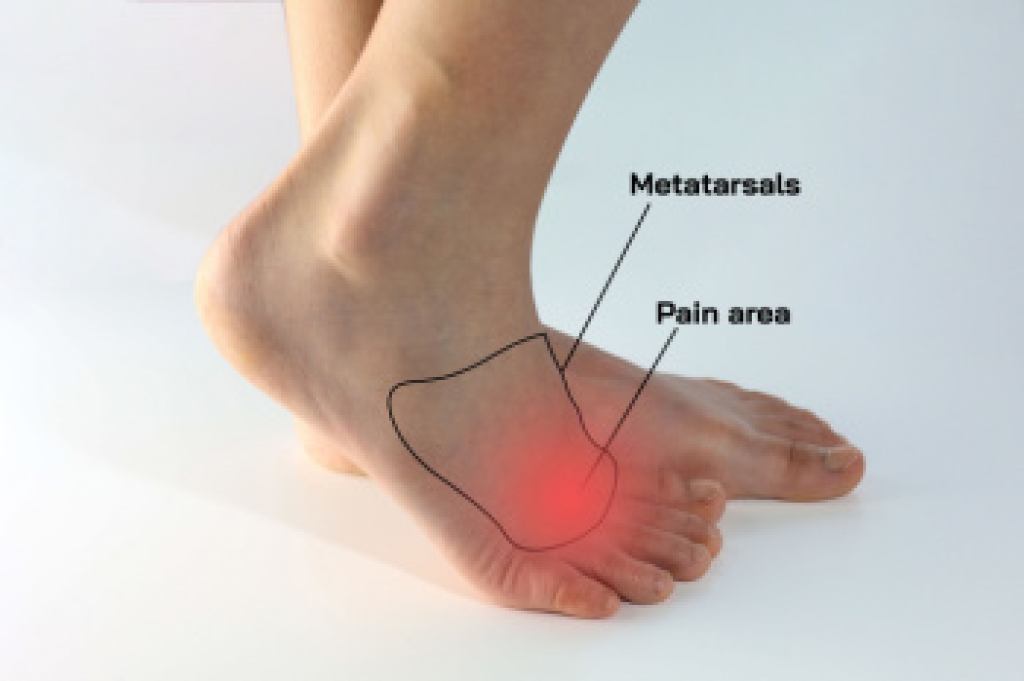
Foot pain is common in fibromyalgia patients, with studies finding it in more than half of those living with the condition. This type of foot pain can make even simple tasks difficult, since it affects every step a person takes. Many describe burning on the bottoms of their feet, sharp pain when stepping on small objects, or discomfort when shoes press on their toes. Some even feel pain just from resting their feet on the floor. The exact cause is not fully known, but several factors may contribute. The band of tissue that supports the arch can become irritated, leading to heel or arch pain. Nerves in the feet can also become overly sensitive, causing normal pressure to feel intense. In some cases, the joint beneath the ankle that controls side-to-side motion may not move properly, adding to strain. If you have foot pain as a result of fibromyalgia, it is suggested that you schedule an appointment with a podiatrist for an exam, diagnosis, and appropriate treatment.

When dealing with systemic disease of the feet, it is extremely important to check the affected areas routinely so that any additional problems are caught quickly.  If you have any concerns about your feet and ankles contact Vrunda Dalal, DPM from Sole Focus Foot and Ankle. our doctor will assist you with all of your podiatric needs.

Systemic Diseases of the Feet

Systemic diseases affect the whole body, and symptoms usually are displayed in the feet. This condition can make a patient’s ability to walk unbearable.  Systemic diseases include gout, diabetes mellitus, neurological disorders, and arthritis.

Gout – is caused by an excess of uric acid in the body. Common symptoms include pain, inflammation, and redness at the metatarsal/phalangeal joint of the base big toe. Gout can be treated by NSAIDs to relieve pain and inflammation, and other drugs that lower the acid levels in the body.

Diabetes mellitus – is an increase in the level of blood sugar that the body cannot counteract with its own insulin. Failure to produce enough insulin is a factor in Diabetes.

Diabetes of the Feet

Diabetic Neuropathy – may lead to damaged nerves and affect the feet through numbness and loss of sensation.

Peripheral Vascular Disease – can restrict the blood flow to the feet, and often times lead to amputation of the feet. 

If you have any questions please contact our office located in Marlton, NJ . We offer the newest diagnostic and treatment technologies for all your foot and ankle needs.

Read more about Systemic Diseases of the Foot

Symptoms of Morton’s Neuroma

Morton’s neuroma is a painful condition that affects the ball of the foot, usually between the third and fourth toes. It develops when a nerve becomes irritated, leading to discomfort that can feel sharp, stabbing, or burning. Some people also describe the sensation of having a pebble trapped in their shoe. Tingling or numbness in the toes may occur, and symptoms are often triggered or worsened by wearing tight shoes, high heels, or long periods of walking. Over time, the pain of Morton’s neuroma can progress and interfere with daily activities, making it difficult to move comfortably. A podiatrist can evaluate your foot, identify the source of the nerve irritation, and suggest the best way to reduce pressure and pain. In more severe cases, surgery may be discussed as an option. If you are experiencing symptoms of Morton’s neuroma, it is suggested that you schedule an appointment with a podiatrist for an exam and appropriate treatment.

Morton’s neuroma is a very uncomfortable condition to live with. If you think you have Morton’s neuroma, contact Vrunda Dalal, DPM of Sole Focus Foot and Ankle. our doctor will attend to all of your foot care needs and answer any of your related questions.  

Morton’s Neuroma

Morton's neuroma is a painful foot condition that commonly affects the areas between the second and third or third and fourth toe, although other areas of the foot are also susceptible. Morton’s neuroma is caused by an inflamed nerve in the foot that is being squeezed and aggravated by surrounding bones.

What Increases the Chances of Having Morton’s Neuroma?

  • Ill-fitting high heels or shoes that add pressure to the toe or foot
  • Jogging, running or any sport that involves constant impact to the foot
  • Flat feet, bunions, and any other foot deformities

Morton’s neuroma is a very treatable condition. Orthotics and shoe inserts can often be used to alleviate the pain on the forefront of the feet. In more severe cases, corticosteroids can also be prescribed. In order to figure out the best treatment for your neuroma, it’s recommended to seek the care of a podiatrist who can diagnose your condition and provide different treatment options.

If you have any questions, please feel free to contact our office located in Marlton, NJ . We offer the newest diagnostic and treatment technologies for all your foot care needs.

Read more about Morton's Neuroma
scroll to top