Foot and Ankle Injuries Caused by Playing Basketball

Foot and ankle injuries from basketball are among the most common sports-related concerns due to the fast-paced and high-impact nature of the game. Basketball requires quick direction changes, jumping, and sudden stops, all of which place stress on the lower extremities. These movements increase the risk of injury, especially when combined with fatigue or improper training. The most common injuries include ankle sprains and Achilles tendon injuries, both of which can affect performance and long-term mobility if not addressed properly.

Symptoms of ankle sprains often include swelling, bruising, and limited range of motion around the joint. Athletes may have difficulty bearing weight or feel instability when walking. Achilles tendon injuries can cause pain along the back of the heel, stiffness, and weakness, especially during push off movements. In more severe cases, a popping sensation may be felt at the time of injury. Recognizing these symptoms early can help prevent further damage and support a safer recovery process.


The causes of basketball-related foot and ankle injuries are often linked to overuse and physical demands. Longer basketball schedules with frequent games and practices can lead to fatigue, which reduces coordination and increases injury risk. Lack of neuromuscular training can also contribute, as proper balance and muscle control are essential for safe movement. Sudden changes in intensity or inadequate warm up routines may place additional strain on the joints and tendons.


Risk factors include previous injuries, poor conditioning, and wearing improper footwear that does not provide adequate support. Playing on hard surfaces and failing to allow time for recovery can further increase the likelihood of injury. Strength training and proper technique can help improve stability and reduce risk. Early care is essential for maintaining foot health and performance. If you have a foot or ankle injury from basketball, it is suggested that you consult a podiatrist for effective relief and treatment solutions.

Ankle and foot injuries are common among athletes and in many sports. They can be caused by several problems and may be potentially serious. If you are feeling pain or think you were injured in a sporting event or when exercising, consult with Vrunda Dalal, DPM from Sole Focus Foot and Ankle. our doctor will assess your condition and provide you with quality foot and ankle treatment.

Common Injuries

The most common injuries that occur in sporting activities include:

  • Achilles Tendonitis
  • Achilles Tendon Rupture
  • Ankle Sprains
  • Broken Foot
  • Plantar Fasciitis
  • Stress Fractures
  • Turf Toe

Symptoms

Symptoms vary depending upon the injury and in some cases, there may be no symptoms at all. However, in most cases, some form of symptom is experienced. Pain, aching, burning, bruising, tenderness, tightness or stiffness, sensation loss, difficulty moving, and swelling are the most common symptoms.

Treatment

Just as symptoms vary depending upon the injury, so do treatment options. A common treatment method is known as the RICE method. This method involves rest, applying ice, compression and elevating the afflicted foot or ankle. If the injury appears to be more serious, surgery might be required, such as arthroscopic or reconstructive surgery. Lastly, rehabilitation or therapy might be needed to gain full functionality in the afflicted area. Any discomfort experienced by an athlete must be evaluated by a licensed, reputable medical professional.  

If you have any questions please contact our office located in Marlton, NJ . We offer the newest diagnostic and treatment technologies for all your foot and ankle needs.

Read more about Sports Related Foot and Ankle Injuries

Early Podiatry Care for Congenital Foot Problems

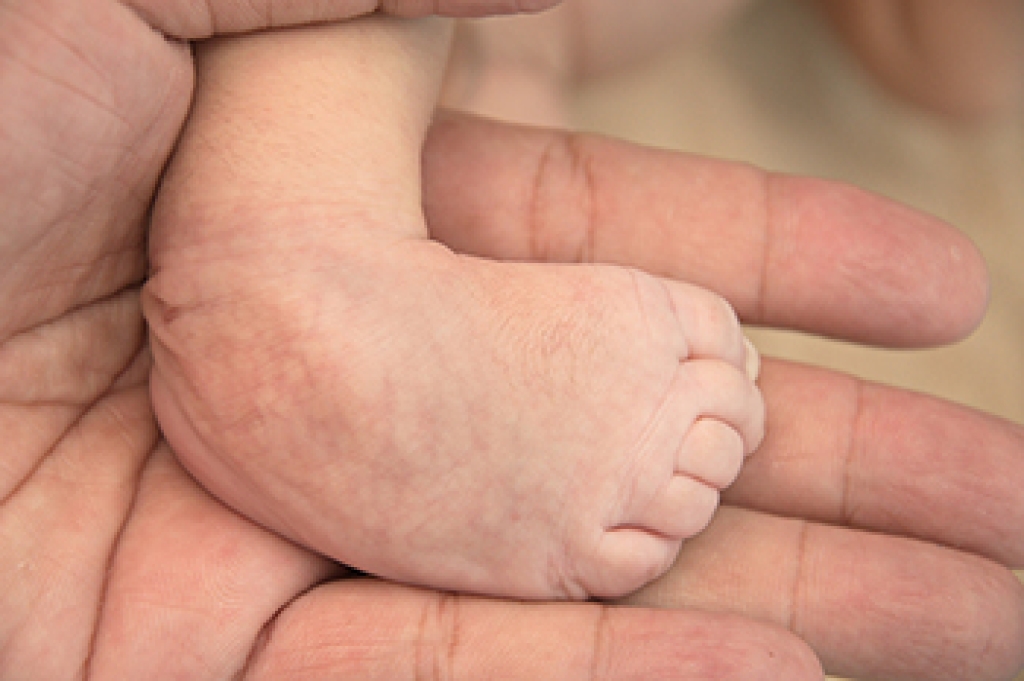
Congenital foot problems are present at birth and can affect the shape, position, or function of a child's feet. One of the most common congenital foot conditions is clubfoot, which causes the foot to twist inward and downward instead of developing in its usual position. Clubfoot may affect one foot or both feet. Although it is painless in newborns, it can lead to difficulty standing and walking if left untreated. Other congenital foot problems may involve differences in the toes or the overall structure of the foot. Because these conditions vary in severity, an early evaluation is important to determine the most appropriate treatment and support healthy foot development.


The exact cause of clubfoot is not always known, although genetic and developmental factors may play a role. Clubfoot develops before birth and is not caused by anything a parent did during pregnancy. As a child grows, an untreated foot deformity can affect balance, walking, and overall mobility. It may also place extra stress on the ankles, knees, and hips as the body tries to compensate for abnormal foot position. A thorough examination helps determine the type and severity of the condition. Early diagnosis allows healthcare providers to begin treatment at the most appropriate time and monitor progress as the child develops.


A podiatrist plays an important role in evaluating congenital foot problems and working with families throughout treatment. Care is based on the child's age, the severity of the condition, and overall foot development. A podiatrist also monitors foot growth, evaluates walking patterns, and helps identify any changes that require additional care. Regular follow-up visits can support healthy development and improve long-term function. If your child has signs of clubfoot or another congenital foot problem, it is suggested that you consult a podiatrist for an evaluation and appropriate treatment options.

Congenital foot problems require immediate attention to avoid future complications. If you have any concerns, contact Vrunda Dalal, DPM of Sole Focus Foot and Ankle. our doctor can provide the care you need to keep you pain-free and on your feet.

Congenital foot problems are deformities affecting the feet, toes, and/or ankles that children are born with. Some of these conditions have a genetic cause while others just happen. Some specific foot ailments that children may be born with include clubfeet, polydactyly/macrodactyly, and cleft foot. There are several other foot anomalies that can occur congenitally. What all of these conditions have in common is that a child may experience difficulty walking or performing everyday activities, as well as trouble finding footwear that fits their foot deformity. Some of these conditions are more serious than others. Consulting with a podiatrist as early as possible will help in properly diagnosing a child’s foot condition while getting the necessary treatment underway.

What are Causes of Congenital Foot Problem?

A congenital foot problem is one that happens to a child at birth. These conditions can be caused by a genetic predisposition, developmental or positional abnormalities during gestation, or with no known cause.

What are Symptoms of Congenital Foot Problems?

Symptoms vary by the congenital condition. Symptoms may consist of the following:

  • Clubfoot, where tendons are shortened, bones are shaped differently, and the Achilles tendon is tight, causing the foot to point in and down. It is also possible for the soles of the feet to face each other.
  • Polydactyly, which usually consists of a nubbin or small lump of tissue without a bone, a toe that is partially formed but has no joints, or an extra toe.
  • Vertical talus, where the talus bone forms in the wrong position causing other bones in the foot to line up improperly, the front of the foot to point up, and the bottom of the foot to stiffen, with no arch, and to curve out.
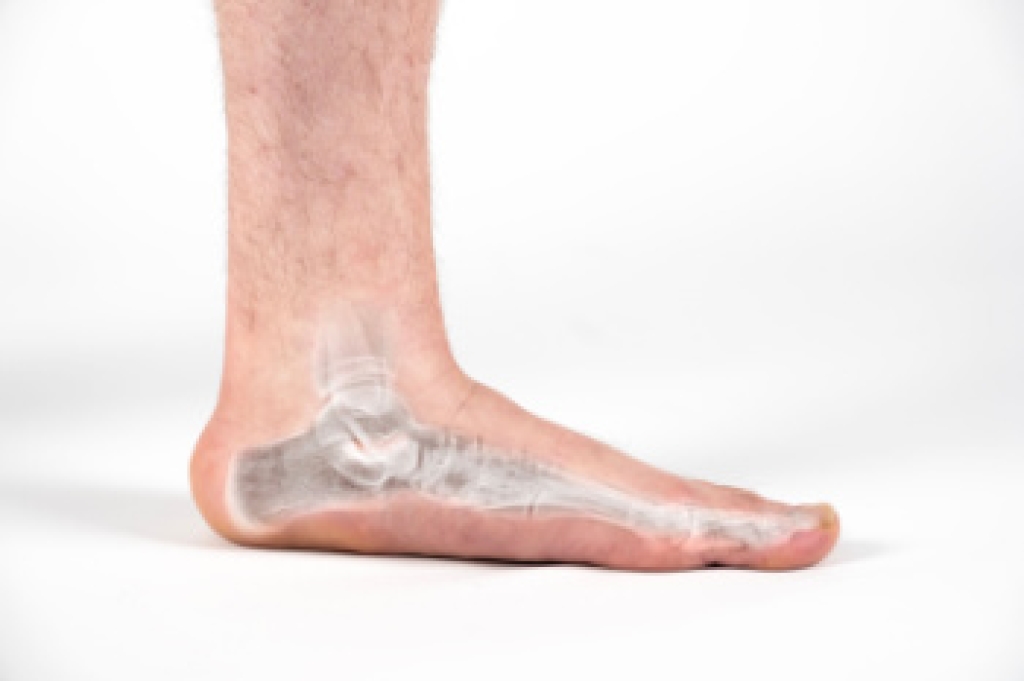
  • Tarsal coalition, when there is an abnormal connection of two or more bones in the foot leading to severe, rigid flatfoot.
  • Cleft foot, where there are missing toes, a V-shaped cleft, and other anatomical differences.
  • Macrodactyly, when the toes are abnormally large due to overgrowth of the underlying bone or soft tissue.

Treatment and Prevention

While there is nothing one can do to prevent congenital foot problems, raising awareness and receiving neonatal screenings are important. Early detection by taking your child to a podiatrist leads to the best outcome possible.

If you have any questions, please feel free to contact our office located in Marlton, NJ . We offer the newest diagnostic and treatment technologies for all your foot care needs.
Read more about Congenital Foot Problems
Advanced Podiatric Procedures & Services in the Burlington County, NJ: Marlton, Medford, Medford Lakes, Mount Laurel, Moorestown, Delran, Cinnaminson, Evesham Township, Camden County, NJ: Cherry Hill, Voorhees, Berlin, Haddonfield, Lawnside, Gloucester County, NJ: Washington Township, Deptford, Woodbury Heights areas
Vrunda Dalal, DPM