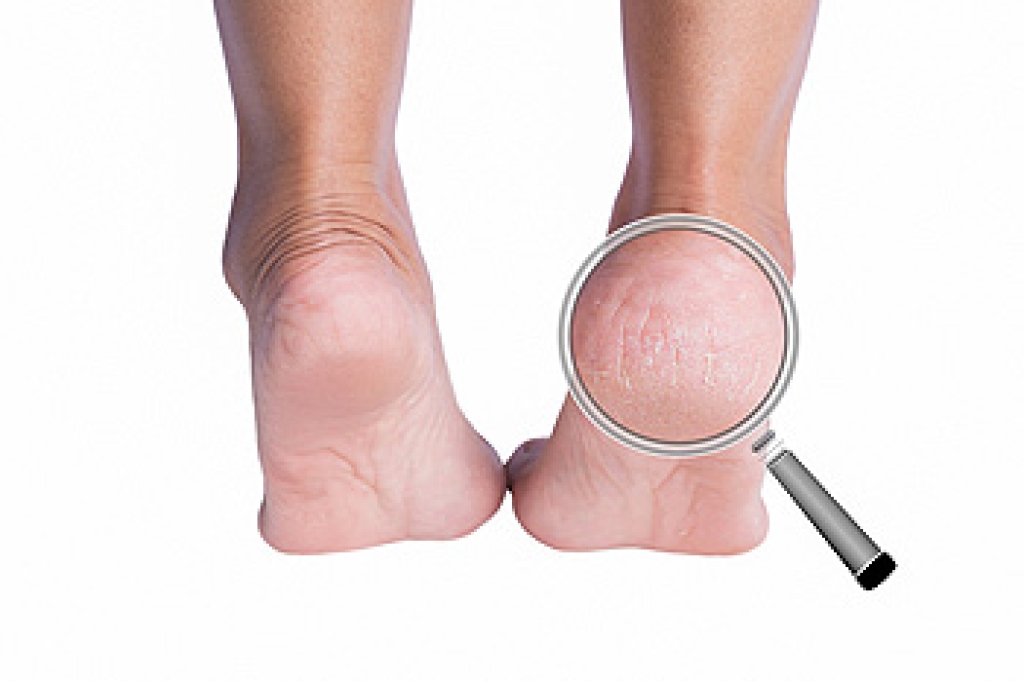
Cracked heels develop when the skin on the bottom or edges of the heel becomes dry, thick, and less flexible. As pressure is placed on the heel while standing or walking, the hardened skin can split and form painful cracks. Some cracks remain shallow, while deeper ones can make daily activities uncomfortable. Patients often notice rough skin, tenderness, or pain with each step. In more severe cases, the cracks can bleed and increase the risk of infection. Several factors contribute to this condition, making a professional evaluation important. A podiatrist can examine the heels, identify the underlying cause, and recommend treatment based on the condition of the skin and surrounding tissues.
Dry skin is one of the leading causes of cracked heels, but other factors can also increase the risk. Standing for long periods of time places repeated pressure on the heels, and encourages the skin to spread outward. Extra body weight can increase this pressure even more. Wearing shoes that lack proper support or open-backed shoes can also contribute by allowing the heel to expand while walking. Certain medical conditions, like diabetes or thyroid disorders, can affect skin health and increase the chance of heel cracks. A podiatrist performs a thorough examination to determine whether another condition is contributing to the problem, and whether the cracks have become infected.
Treatment depends on the depth of the cracks and the condition of the surrounding skin. A podiatrist can safely remove thickened skin that increases pressure on the heels and contributes to painful splitting. Prescription medications are sometimes recommended when infection or another skin condition is present. Patients also benefit from guidance about wearing shoes that provide proper support to reduce stress on the heels. Early diagnosis and professional treatment can improve comfort, encourage healthy skin, and reduce the chance of deeper cracks developing. If you have developed cracked heels, it is suggested that you schedule an appointment with a podiatrist for effective relief and treatment solutions.
If the skin on your feet starts to crack, you may want to see a podiatrist to find treatment. If you have any concerns, contact Vrunda Dalal, DPM from Sole Focus Foot and Ankle. our doctor can provide the care you need to keep you pain-free and on your feet.
Cracked Heels
It is important to moisturize your cracked heels in order to prevent pain, bleeding, and infection. The reason cracked heels form is because the skin on the foot is too dry to support the immense pressure placed on them. When the foot expands, the dry skin on the foot begins to split.
Ways to Help Heal Them
- Invest in a good foot cream
- Try Using Petroleum Jelly
- Ease up on Soaps
- Drink Plenty of Water
Ways to Prevent Cracked Heels
- Moisturize After Showering
- Skip a Shower
- Keep Shower Water Lukewarm
- Don’t Scrub Your Feet
If you are unsure how to proceed in treating cracked heels, seek guidance from a podiatrist. Your doctor will help you with any questions or information you may need.
If you have any questions, please feel free to contact our office located in Marlton, NJ . We offer the newest diagnostic and treatment technologies for all your foot care needs.

