
Heel Pain May Indicate Plantar Fasciitis

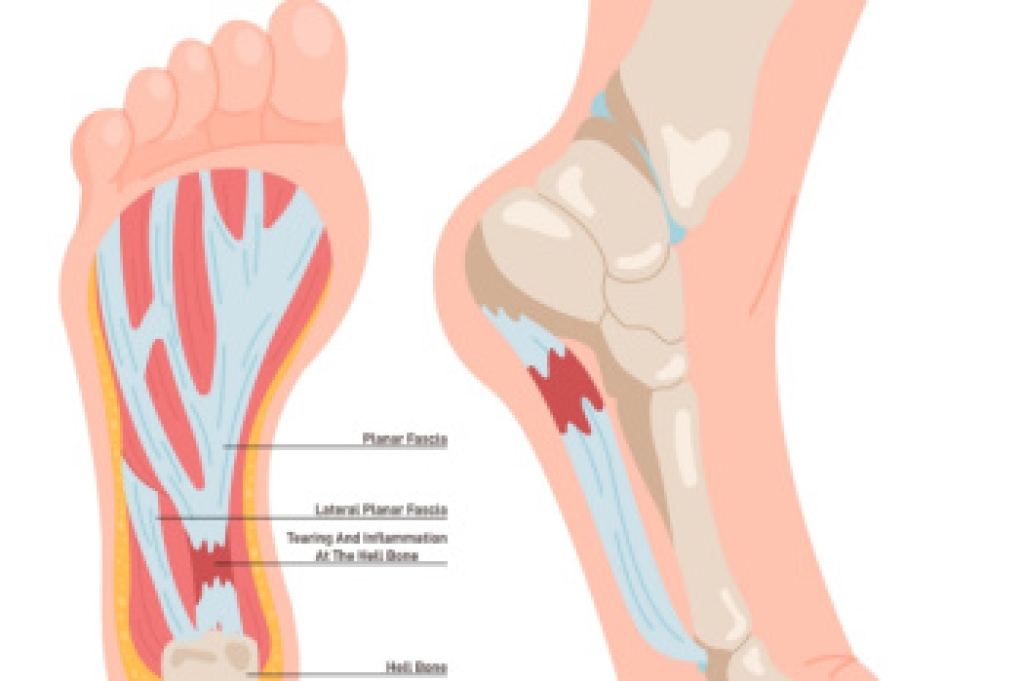
Plantar fasciitis causes heel pain that develops when the plantar fascia becomes irritated. This strong band of tissue runs along the bottom of the foot and supports the arch. Symptoms often include sharp pain near the heel, especially during the first steps after waking. Pain may also appear after sitting or standing for a long time. Some people notice discomfort after exercise or prolonged walking.

Several factors can increase the risk of plantar fasciitis. Standing for long periods can place repeated stress on the plantar fascia. Running and other high-impact activities may also increase strain. Flat feet, high arches, and tight calf muscles can change how pressure moves through the foot. Being overweight may add extra stress as well. Wearing shoes that lack proper support can make symptoms more noticeable and may slow recovery.


Gentle stretching can provide relief by reducing tension through the calf and plantar fascia. A podiatrist may recommend calf stretches and stretches based on the symptoms. Rolling the foot over a frozen water bottle may also help soothe discomfort. During an evaluation, the podiatrist checks your walking pattern, foot structure, and range of motion. Treatment may include choosing supportive footwear, being fitted for custom orthotics, or temporary activity changes. Imaging tests may be ordered when another condition needs to be ruled out.


The goal of treatment is to reduce pain while allowing irritated tissue to heal. Following a podiatrist's recommendations can help prevent symptoms from becoming persistent. Seek evaluation if heel pain continues, returns frequently, or interferes with normal activities. Early care can make daily movement more comfortable and help you return to activities with confidence. If you have heel pain, it is suggested that you consult a podiatrist who can accurately diagnose and treat plantar fasciitis.

Plantar fasciitis is a common foot condition that is often caused by a strain injury. If you are experiencing heel pain or symptoms of plantar fasciitis, contact Vrunda Dalal, DPM from Sole Focus Foot and Ankle. our doctor can provide the care you need to keep you pain-free and on your feet.

What Is Plantar Fasciitis?

Plantar fasciitis is one of the most common causes of heel pain. The plantar fascia is a ligament that connects your heel to the front of your foot. When this ligament becomes inflamed, plantar fasciitis is the result. If you have plantar fasciitis you will have a stabbing pain that usually occurs with your first steps in the morning. As the day progresses and you walk around more, this pain will start to disappear, but it will return after long periods of standing or sitting.

What Causes Plantar Fasciitis?

  • Excessive running
  • Having high arches in your feet
  • Other foot issues such as flat feet
  • Pregnancy (due to the sudden weight gain)
  • Being on your feet very often

There are some risk factors that may make you more likely to develop plantar fasciitis compared to others. The condition most commonly affects adults between the ages of 40 and 60. It also tends to affect people who are obese because the extra pounds result in extra stress being placed on the plantar fascia.

Prevention

  • Take good care of your feet – Wear shoes that have good arch support and heel cushioning.
  • Maintain a healthy weight
  • If you are a runner, alternate running with other sports that won’t cause heel pain

There are a variety of treatment options available for plantar fasciitis along with the pain that accompanies it. Additionally, physical therapy is a very important component in the treatment process. It is important that you meet with your podiatrist to determine which treatment option is best for you.

If you have any questions, please feel free to contact our office located in Marlton, NJ . We offer the newest diagnostic and treatment technologies for all your foot care needs.


Read more about Plantar Fasciitis

Foot Infection Symptoms That Need a Podiatrist’s Attention

A foot infection can begin when bacteria or fungi enter a break in the skin or settle in a damp area. Cuts, blisters, and ingrown toenails can open the door to germs. Fungi can also grow between the toes or beneath a toenail. Shoes and socks can hold moisture against the skin, which supports fungal growth. At the same time, walking barefoot can expose the feet to sharp objects and dirty surfaces. An infection on the foot should receive prompt attention because it can spread into deeper tissue and make standing or walking painful.

Warning signs include redness, warmth, and swelling near the affected area. The skin may feel tender, produce yellow or green drainage, or give off a bad smell. Some infections cause cracked or peeling skin. Others make a toenail thick, discolored, or crumbly. Athlete’s foot is a fungal infection that usually develops between the toes. Cellulitis is a bacterial infection in deeper layers of skin and needs immediate medical care. Patients with diabetes face added risk because reduced feeling can hide an injury. Poor blood flow can also slow healing and allow an infection to become serious.

A podiatrist can examine the foot, identify the source of the infection, and determine how far it has spread. The exam may include taking a skin or nail sample to find the cause. The podiatrist can also clean a wound, drain an infected area, or remove damaged tissue. An infected ingrown toenail may require part of the nail to be removed. Severe cases can require surgery to control the infection and protect healthy tissue. Early diagnosis gives treatment a chance to work before complications develop. People with diabetes, poor circulation, or reduced feeling in their feet should seek care promptly when they notice a wound or skin change. If you have a foot infection, it is suggested that you promptly schedule an appointment with a podiatrist for effective relief and treatment solutions.

Wound care is an important part in dealing with diabetes. If you have diabetes and a foot wound or would like more information about wound care for diabetics, consult with Vrunda Dalal, DPM from Sole Focus Foot and Ankle. our doctor will assess your condition and provide you with quality foot and ankle treatment.

What Is Wound Care?

Wound care is the practice of taking proper care of a wound. This can range from the smallest to the largest of wounds. While everyone can benefit from proper wound care, it is much more important for diabetics. Diabetics often suffer from poor blood circulation which causes wounds to heal much slower than they would in a non-diabetic. 

What Is the Importance of Wound Care?

While it may not seem apparent with small ulcers on the foot, for diabetics, any size ulcer can become infected. Diabetics often also suffer from neuropathy, or nerve loss. This means they might not even feel when they have an ulcer on their foot. If the wound becomes severely infected, amputation may be necessary. Therefore, it is of the upmost importance to properly care for any and all foot wounds.

How to Care for Wounds

The best way to care for foot wounds is to prevent them. For diabetics, this means daily inspections of the feet for any signs of abnormalities or ulcers. It is also recommended to see a podiatrist several times a year for a foot inspection. If you do have an ulcer, run the wound under water to clear dirt from the wound; then apply antibiotic ointment to the wound and cover with a bandage. Bandages should be changed daily and keeping pressure off the wound is smart. It is advised to see a podiatrist, who can keep an eye on it.

If you have any questions please contact our office located in Marlton, NJ . We offer the newest diagnostic and treatment technologies for all your foot and ankle needs.

Read more about Wound Care

Do Your Child's Feet Hurt?

Have your child's feet been examined lately? Healthy feet are happy feet. If your child is complaining of foot pain, it may be a sign of underlying problems.

Gout Tophi Can Damage Joints in the Feet

Gout develops when excess uric acid forms crystals in and around a joint. Tophi from gout are firm lumps created by deposits of these crystals beneath the skin or within tissue. They usually appear after gout has remained poorly controlled for a long period of time, especially when attacks happen frequently. Tophi can form near the big toe, ankle, or heel. Some lumps are small and difficult to notice, while others become large enough to change the shape of a joint. Their presence is a sign of advanced gout and possible damage beneath the surface.

Tophi do not always hurt, but they can create foot problems. A lump can press against a shoe and make standing or walking uncomfortable. Larger deposits can limit joint movement, weaken tissue, and damage bone. The skin covering a tophus can become thin or break open, releasing a white, chalk-like material. An open area also raises the risk of infection. Warning signs include increasing redness, warmth, and drainage. Numbness or burning pain can develop when a deposit presses on a nerve. Changes in foot shape can also affect balance and place added pressure on other parts of the foot.

A podiatrist can examine the lumps, review the patient’s history of gout, and check how well the affected joints move. X-rays or other imaging can reveal hidden deposits and show damage to bone or cartilage. The podiatrist can also evaluate pressure points, treat open skin, and recommend fitted shoes or custom orthotics. Surgery is reserved for severe cases involving infection, major joint damage, or pressure on a nerve. Foot examinations help the podiatrist track changes and protect mobility. If you have symptoms of tophi formation from gout, it is suggested that you are under the care of a podiatrist who can help you to manage this serious condition. 

Gout is a painful condition that can be treated. If you are seeking treatment, contact Vrunda Dalal, DPM from Sole Focus Foot and Ankle. our doctor will treat your foot and ankle needs.

What Is Gout?

Gout is a form of arthritis that is characterized by sudden, severe attacks of pain, redness, and tenderness in the joints. The condition usually affects the joint at the base of the big toe. A gout attack can occur at any random time, such as the middle of the night while you are asleep.

Symptoms

  • Intense Joint Pain - Usually around the large joint of your big toe, and it most severe within the first four to twelve hours
  • Lingering Discomfort - Joint discomfort may last from a few days to a few weeks
  • Inflammation and Redness -Affected joints may become swollen, tender, warm and red
  • Limited Range of Motion - May experience a decrease in joint mobility

Risk Factors

  • Genetics - If family members have gout, you’re more likely to have it
  • Medications - Diuretic medications can raise uric acid levels
  • Gender/Age - Gout is more common in men until the age of 60. It is believed that estrogen protects women until that point
  • Diet - Eating red meat and shellfish increases your risk
  • Alcohol - Having more than two alcoholic drinks per day increases your risk
  • Obesity - Obese people are at a higher risk for gout

Prior to visiting your podiatrist to receive treatment for gout, there are a few things you should do beforehand. If you have gout you should write down your symptoms--including when they started and how often you experience them, important medical information you may have, and any questions you may have. Writing down these three things will help your podiatrist in assessing your specific situation so that he or she may provide the best route of treatment for you.

If you have any questions, please feel free to contact our office located in Marlton, NJ . We offer the newest diagnostic and treatment technologies for all your foot care needs.

Read more about Gout

Understanding Persistent Toe Pain

Toe pain can interfere with walking, exercise, and other daily activities. Several problems can affect the toes. Exercising too much or wearing shoes that are too tight can lead to soreness. Pain and swelling around a nail can point to an ingrown toenail. A hard, bony lump near the big toe can be a bunion. Sudden joint pain with hot, swollen, or red skin can be linked to gout, a form of arthritis caused by uric-acid crystals.

Injuries are another cause of toe pain. A sprained or broken toe can become painful, swollen, or bruised and can hurt while walking. Tingling, numbness, or color changes in the toes during cold weather or stress can be linked to circulation problems. Severe pain, loss of sensation, or a toe pointing at an unusual angle can indicate a serious injury. Difficulty moving the toes or being unable to walk can also signal damage. A snapping, grinding, or popping sound at the time of an injury is another warning sign.

A podiatrist can evaluate toe pain and identify the condition responsible for the symptoms. The examination can focus on the location of pain, visible changes, and how the toe moves. X-rays can help detect a fracture when an injury is suspected. Treatment depends on the diagnosis and can address problems like bunions, ingrown toenails, or gout-related toe pain. A podiatrist can evaluate recurring pain or symptoms that interfere with normal activities. Patients with diabetes should take foot pain seriously because foot problems can become more serious. Prompt evaluation can help prevent an injury or condition from becoming harder to manage. If you have toe pain, it is suggested that you schedule an appointment with a podiatrist for a diagnosis and appropriate treatment.

Toe pain can disrupt your daily activities. If you have any concerns, contact Vrunda Dalal, DPM of Sole Focus Foot and Ankle. our doctor can provide the care you need to keep you pain-free and on your feet.

What Causes Toe Pain?

Most severe toe pain is caused due to a sports injury, trauma from dropping something heavy on the toe, or bumping into something rigid. Other problems can develop over time for various reasons.

Toe pain can be caused by one or more ailments. The most common include:

  • Trauma
  • Sports injury
  • Wearing shoes that are too tight
  • Arthritis
  • Gout
  • Corns and calluses
  • Hammertoe
  • Bunions
  • Blisters
  • Ingrown toenails
  • Sprains
  • Fractures (broken bones)
  • Dislocations

When to See a Podiatrist

  • Severe pain
  • Persistent pain that lasts more than a week
  • Signs of infection
  • Continued swelling
  • Pain that prevents walking

Diagnosis

In many cases the cause of toe pain is obvious, but in others, a podiatrist may want to use more advanced methods to determine the problem. These can range from simple visual inspections and sensation tests to X-rays and MRI scans. Prior medical history, family medical history, and any recent physical traumatic events will all be taken into consideration for a proper diagnosis.

Treatment

Treatments for toe pain and injuries vary and may include shoe inserts, padding, taping, medicines, injections, and in some cases, surgery. If you believe that you have broken a toe, please see a podiatrist as soon as possible.

If you have any questions please contact our office located in Marlton, NJ . We offer the newest diagnostic and treatment technologies for all your foot and ankle needs.

Read more about Toe Pain
Advanced Podiatric Procedures & Services in the Burlington County, NJ: Marlton, Medford, Medford Lakes, Mount Laurel, Moorestown, Delran, Cinnaminson, Evesham Township, Camden County, NJ: Cherry Hill, Voorhees, Berlin, Haddonfield, Lawnside, Gloucester County, NJ: Washington Township, Deptford, Woodbury Heights areas
Vrunda Dalal, DPM