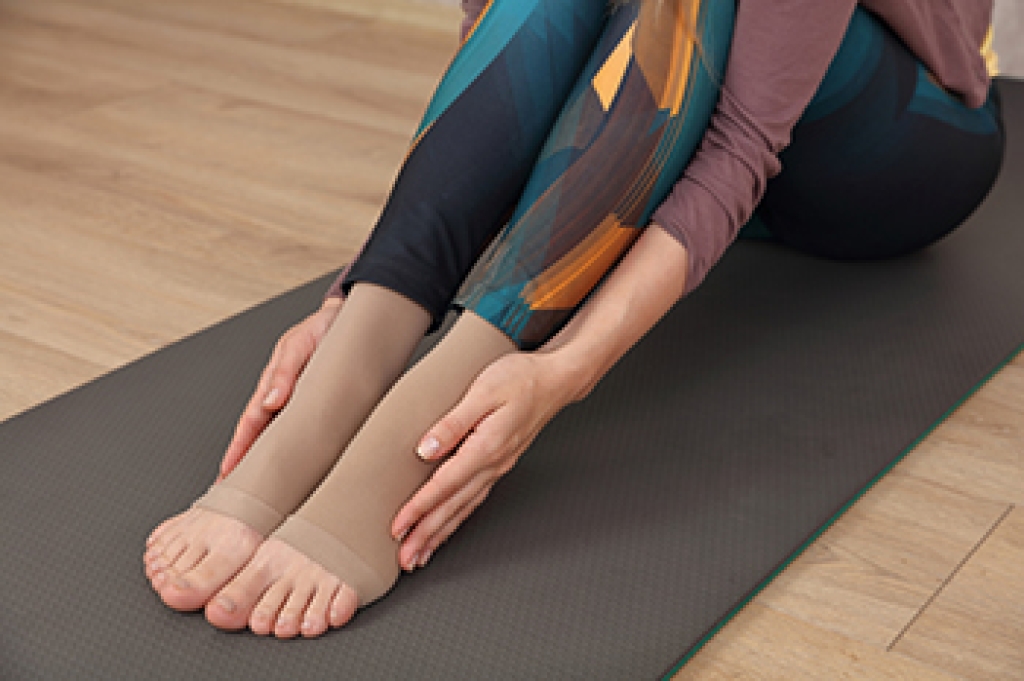
What You Should Know About Bunions

A bunion is a bony bump that forms at the base of the big toe, where the toe meets the foot. Meanwhile, the big toe gradually shifts toward the smaller toes. This change can place extra pressure on the joint and make walking uncomfortable. People with bunions frequently notice pain, swelling, and redness surrounding the affected area. The joint can also become stiff, making it harder to move the big toe. Bunions develop for several reasons, including inherited foot structure, arthritis, and wearing shoes that do not fit properly. A podiatrist examines the foot, evaluates the alignment of the toe, and determines how much the joint has changed. X-rays provide detailed images that help guide diagnosis and treatment.

As a bunion worsens, it can affect the way weight is distributed across the foot. This added pressure sometimes causes calluses or irritation where the toes rub together. In more advanced cases, the second toe can also change position. Pain can increase while walking or standing for long periods of time, making everyday activities more difficult. A podiatrist evaluates the severity of the bunion and checks for joint damage, reduced motion, and changes in foot function. Early diagnosis helps identify the best treatment approach before the deformity becomes more severe. A deformity is an abnormal change in the shape or position of a body part.

Treatment focuses on reducing discomfort, improving foot function, and slowing the progression of the bunion. A podiatrist develops a personalized treatment plan based on the size of the bunion and the condition of the joint. Care includes recommending shoes that fit properly, providing custom shoe inserts, and monitoring changes in the foot. Custom orthotics are specially made shoe inserts that improve foot support and alignment. When the bunion causes significant pain or severely limits movement, surgery can correct the position of the joint. If you have symptoms of a bunion, it is suggested that you schedule an appointment with a podiatrist for diagnosis and appropriate treatment.

If you are suffering from bunion pain, contact Vrunda Dalal, DPM of Sole Focus Foot and Ankle. our doctor can provide the care you need to keep you pain-free and on your feet.

What Is a Bunion?

Bunions are painful bony bumps that usually develop on the inside of the foot at the joint of the big toe. As the deformity increases over time, it may become painful to walk and wear shoes. Women are more likely to exacerbate existing bunions since they often wear tight, narrow shoes that shift their toes together. Bunion pain can be relieved by wearing wider shoes with enough room for the toes.

Causes

  • Genetics – some people inherit feet that are more prone to bunion development
  • Inflammatory Conditions - rheumatoid arthritis and polio may cause bunion development

Symptoms

  • Redness and inflammation
  • Pain and tenderness
  • Callus or corns on the bump
  • Restricted motion in the big toe

In order to diagnose your bunion, your podiatrist may ask about your medical history, symptoms, and general health. Your doctor might also order an x-ray to take a closer look at your feet. Nonsurgical treatment options include orthotics, padding, icing, changes in footwear, and medication. If nonsurgical treatments don’t alleviate your bunion pain, surgery may be necessary.

If you have any questions, please feel free to contact our office located in Marlton, NJ . We offer the newest diagnostic and treatment technologies for all your foot care needs.

Read more about Bunions

Diabetes and the Increased Risk of Falling

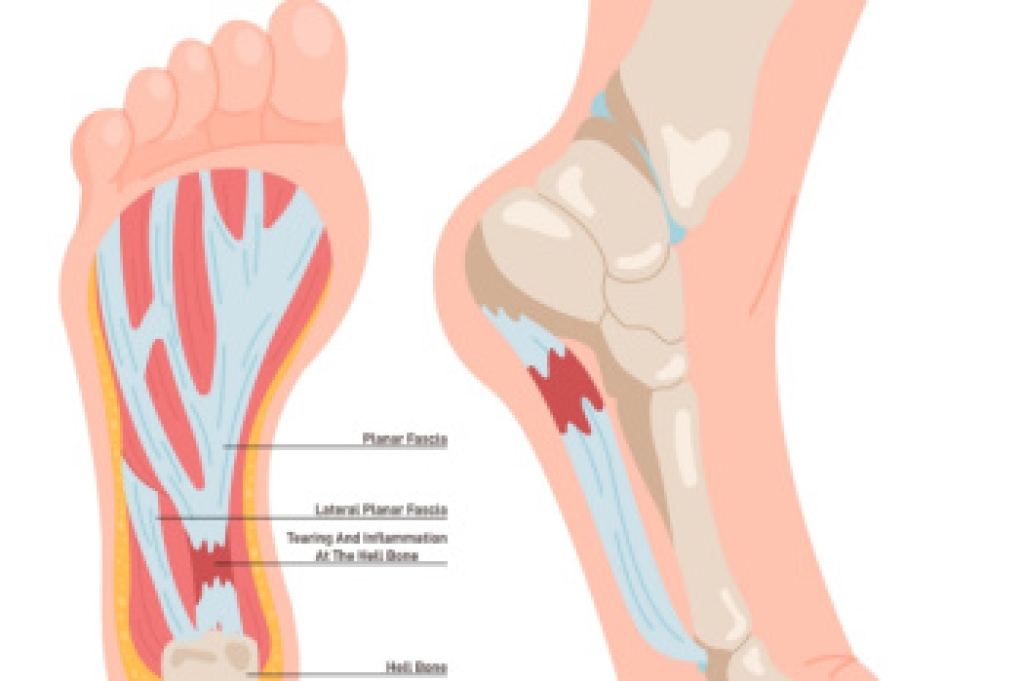
Diabetes can affect much more than blood sugar levels. It can also increase the risk of falls, especially in older adults. One reason is that diabetes can damage nerves in the feet, a condition called neuropathy. Neuropathy can reduce feeling in the feet and make it harder to notice the ground beneath you. This loss of sensation can affect balance and stability. Diabetes can also cause foot pain, muscle weakness, and changes in the way a person walks. These problems make it more difficult to move safely while walking and increase the chance of losing balance. Research has shown that people with diabetes experience falls more frequently than those without the condition.

Falls can lead to serious injuries. Broken bones, foot injuries, and ankle injuries can affect mobility and independence. People with diabetes also face challenges related to circulation and nerve function, which can make recovery from injuries more difficult. Some diabetics use special off-loading footwear to reduce pressure on certain areas of the feet. Off-loading means taking pressure away from an injured area to protect it. While these devices can be important for foot health, they can sometimes affect balance and walking patterns. Certain diabetes medications can also contribute to dizziness or unsteadiness, increasing fall risk.

A podiatrist plays an important role in helping reduce fall risk in diabetics. This type of doctor can evaluate foot structure, balance, and walking patterns. They can identify areas of weakness and detect nerve-related foot problems. They can also assess footwear and recommend options that improve stability. Regular foot examinations can help detect changes before they become serious problems. Early diagnosis and professional care can help patients remain active and move with greater confidence. If you have diabetes, have fallen, or feel you may be at risk of falling, it is suggested that you schedule an appointment with a podiatrist for effective relief and management solutions.

Preventing falls among the elderly is very important. If you are older and have fallen or fear that you are prone to falling, consult with Vrunda Dalal, DPM from Sole Focus Foot and Ankle. our doctor will assess your condition and provide you with quality advice and care.

Every 11 seconds, an elderly American is being treated in an emergency room for a fall related injury. Falls are the leading cause of head and hip injuries for those 65 and older. Due to decreases in strength, balance, senses, and lack of awareness, elderly persons are very susceptible to falling. Thankfully, there are a number of things older persons can do to prevent falls.

How to Prevent Falls

Some effective methods that older persons can do to prevent falls include:

  • Enrolling in strength and balance exercise program to increase balance and strength
  • Periodically having your sight and hearing checked
  • Discuss any medications you have with a doctor to see if it increases the risk of falling
  • Clearing the house of falling hazards and installing devices like grab bars and railings
  • Utilizing a walker or cane
  • Wearing shoes that provide good support and cushioning
  • Talking to family members about falling and increasing awareness

Falling can be a traumatic and embarrassing experience for elderly persons; this can make them less willing to leave the house, and less willing to talk to someone about their fears of falling. Doing such things, however, will increase the likelihood of tripping or losing one’s balance. Knowing the causes of falling and how to prevent them is the best way to mitigate the risk of serious injury.  

If you have any questions, please feel free to contact our office located in Marlton, NJ . We offer the newest diagnostic and treatment technologies for all your foot care needs.
Read more about Falls Prevention

Finding Baby’s 1st Walking Shoes

A baby’s first steps are an exciting part of growth, and the right shoes can help support healthy foot development. Before children begin walking, spending time barefoot helps strengthen the feet and improve balance. Once walking begins, shoes should protect the feet while still allowing natural movement. Good walking shoes include flexible soles, lightweight materials, and non-slip bottoms to help improve stability. Shoes should fit securely without being too tight or too loose. Shoes that are too large can cause tripping and affect walking patterns, while tight shoes can place pressure on growing feet and toenails. Many parents choose shoes with Velcro straps because they are easy to fasten and remove. A podiatrist can examine your child’s feet, check walking patterns, and recommend shoes that match your child’s stage of development. If your child is starting to walk, it is suggested that you make an appointment with a podiatrist for guidance on footwear choices that promote foot health.

Making sure that your children maintain good foot health is very important as they grow. If you have any questions, contact Vrunda Dalal, DPM of Sole Focus Foot and Ankle. our doctor can provide the care you need to keep you pain-free and on your feet.

Keeping Children's Feet Healthy

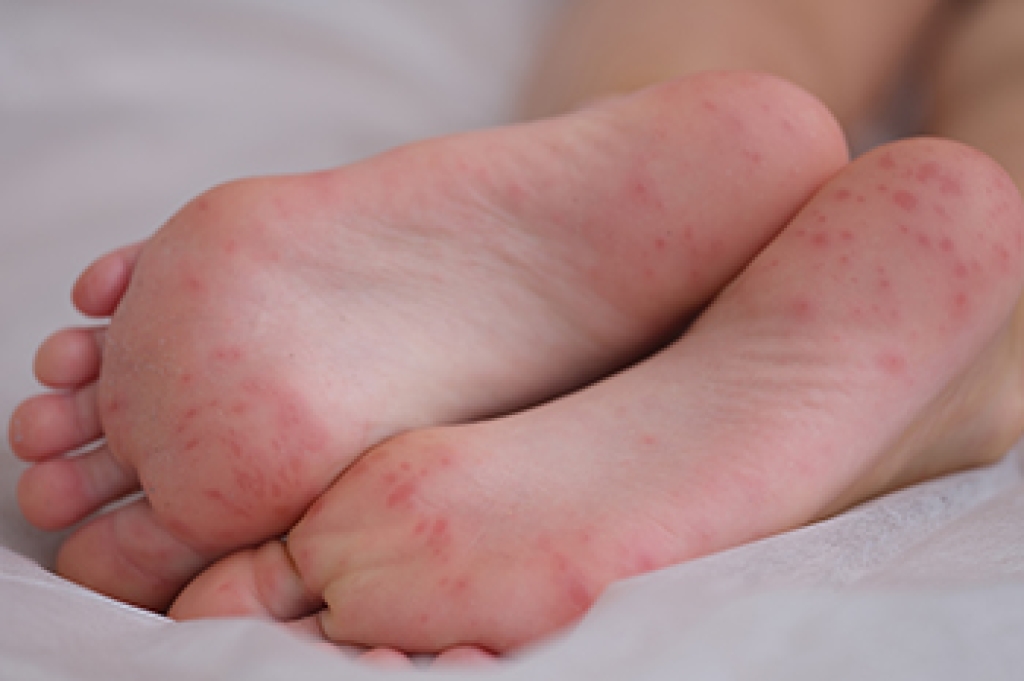
Having healthy feet during childhood can help prevent medical problems later in life, namely in the back and legs. As children grow, their feet require different types of care. Here are some things to consider...

Although babies do not walk yet, it is still very important to take care of their feet.

Avoid putting tight shoes or socks on his or her feet.

Allow the baby to stretch and kick his or her feet to feel comfortable.

As a toddler, kids are now on the move and begin to develop differently. At this age, toddlers are getting a feel for walking, so don’t be alarmed if your toddler is unsteady or ‘walks funny’. 

As your child gets older, it is important to teach them how to take care of their feet.

Show them proper hygiene to prevent infections such as fungus.

Be watchful for any pain or injury.

Have all injuries checked by a doctor as soon as possible.

Comfortable, protective shoes should always be worn, especially at play.

If you have any questions, please feel free to contact our office located in Marlton, NJ . We offer the newest diagnostic and treatment technologies for all your foot care needs.
Read more about How to Care for Your Child's Feet

When Shoes Do Not Fit Right

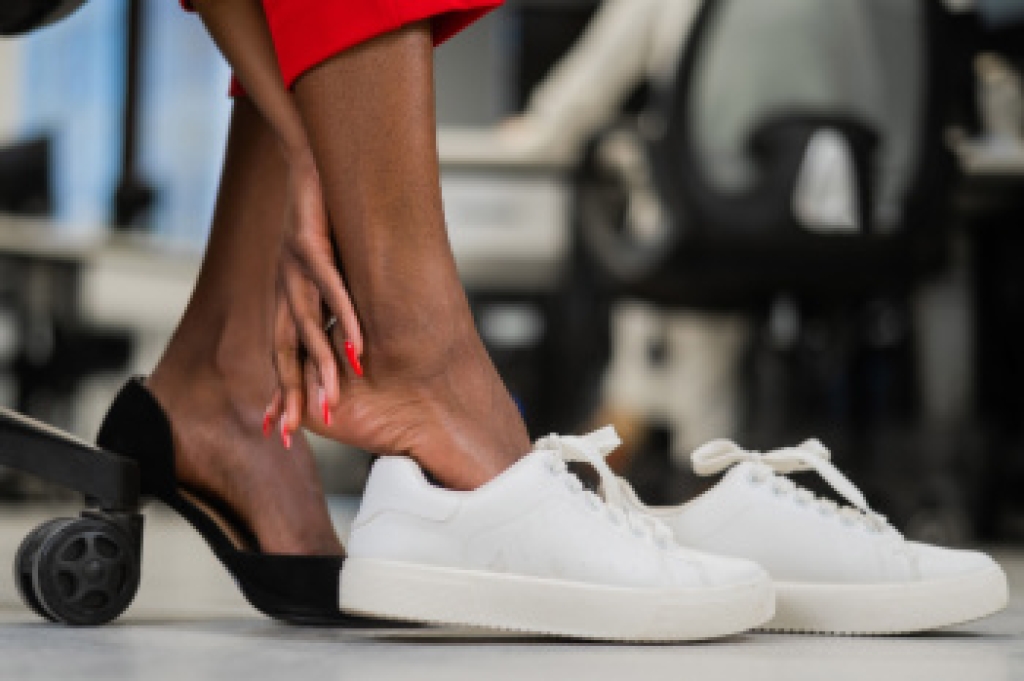
Wearing the wrong size shoes can lead to several painful foot conditions that develop over time. Blisters are small fluid-filled pockets that form from friction when shoes rub against the skin. Bunions appear as a bony bump at the base of the big toe, often caused by tight footwear that pushes the toe out of place. Additionally, hammertoes occur when the smaller toes bend unnaturally due to crowding inside the shoe. These problems may start with mild discomfort, but can worsen into chronic pain and difficulty walking. Poor shoe fit, narrow toe boxes, and long periods on your feet increase risk. A podiatrist can evaluate foot structure, diagnose these conditions, and guide proper shoe fitting to prevent further damage. If you have foot pain from wearing shoes that do fit right, it is suggested that you consult a podiatrist who can offer effective relief tips and guidance on how to find the right shoe size.

Finding a properly-fitting shoe is important in reducing injuries and preventing foot problems. For more information about treatment, contact Vrunda Dalal, DPM from Sole Focus Foot and Ankle. our doctor will treat your foot and ankle needs.

Proper Shoe Fitting

A common concern when it comes to foot health, having properly fitted shoes can help prevent injuries to the foot. Out feet affect our posture and gait, which in turn affects the biomechanics and overall bodily structure. With 33 joints, 26 bones, and over 100 ligaments, the potential for serious injury is much greater than one realizes. Although the feet cease growth in adulthood, they still change shape as they mature. Here are some factors to consider when it comes to investing in proper fitting shoes:

  • Be sure the shoes fit correctly right away
  • Ensure the ball of your foot fits comfortably in the widest portion of the shoes
  • Even though they may look fashionable, improper fitting shoes can either create adverse conditions or exacerbate existing ones you may already have
  • Walk along a carpeted surface to ensure the shoes comfortably fit during normal activity

Keeping in mind how shoes fit the biomechanics of your body, properly-fitting shoes are vitally important. Fortunately, it is not difficult to acquire footwear that fits correctly. Be sure to wear shoes that support the overall structure of your body. Do your feet a favor and invest in several pairs of well-fitted shoes today.

If you have any questions, please feel free to contact our office located in Marlton, NJ . We offer the newest diagnostic and treatment technologies for all your foot care needs.

Read more about Proper Shoe Fitting

Do You Suffer From Painful Feet?

Painful deformities, such as hammertoes, can be treated. Stop living with foot pain, and have beautiful feet again!

Advanced Podiatric Procedures & Services in the Burlington County, NJ: Marlton, Medford, Medford Lakes, Mount Laurel, Moorestown, Delran, Cinnaminson, Evesham Township, Camden County, NJ: Cherry Hill, Voorhees, Berlin, Haddonfield, Lawnside, Gloucester County, NJ: Washington Township, Deptford, Woodbury Heights areas
Vrunda Dalal, DPM