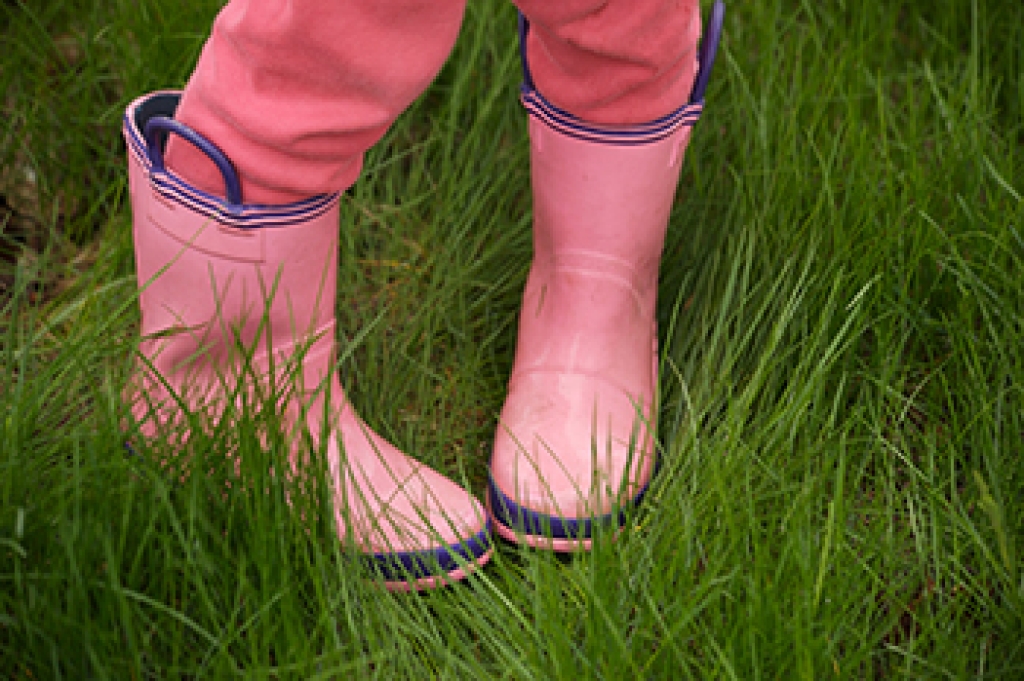
In-toeing and out-toeing are common foot and lower-limb alignment conditions that affect the way a child’s feet point while walking or standing. In-toeing occurs when the feet turn inward, while out-toeing occurs when the feet point outward. These conditions are often noticed when children begin walking and may change as the bones and muscles develop. Understanding the definition and causes of in-toeing and out-toeing can help parents recognize normal development patterns and identify when professional evaluation may be needed.
Signs of in-toeing include toes pointing inward, frequent tripping, or an uneven walking pattern. Out-toeing may appear as feet turning outward while walking, standing, or running. Some children may have difficulty with balance or coordination, although many cases improve naturally with growth. Risk factors include family history, differences in bone development, muscle tightness, and positioning during early growth. The alignment of the hips, knees, and feet can all influence how a child walks and moves.
The causes of in-toeing and out-toeing vary depending on the child’s stage of development. In-toeing may result from curved foot structure, inward rotation of the shin bone, or inward positioning of the thigh bone. Out-toeing may develop from outward rotation of the hip, leg alignment differences, or foot positioning issues. These conditions are not always caused by footwear or walking habits, but certain structural factors can influence how the feet align.
Early observation and regular monitoring can help ensure healthy foot development. Supportive footwear, proper movement habits, and professional guidance may be recommended depending on the severity of the condition. Most children improve as they grow, but some cases may require treatment to support proper alignment and function. If your child shows signs of in-toeing or out-toeing, it is suggested that you consult a podiatrist for effective treatment and management solutions.
The health of a child’s feet is vital to their overall well-being. If you have any questions regarding foot health, contact Vrunda Dalal, DPM of Sole Focus Foot and Ankle. our doctor can provide the care you need to keep you pain-free and on your feet.
Tips for Keeping Children's Feet Healthy
- Make sure their shoes fit properly
- Look for any signs of in-toeing or out-toeing
- Check to see if they have Clubfoot (condition that affects your child’s foot and ankle, twisting the heel and toes inward) which is one of the most common nonmajor birth defects.
- Lightly cover your baby’s feet (Tight covers may keep your baby from moving their feet freely, and could prevent normal development)
- Allow your toddler to go shoeless (Shoes can be restricting for a young child’s foot)
- Cut toenails straight across to avoid ingrown toenails
- Keep your child’s foot clean and dry
- Cover cuts and scrapes. Wash any scratches with soap and water and cover them with a bandage until they’ve healed.
If you have any questions, please feel free to contact our office located in Marlton, NJ . We offer the newest diagnostic and treatment technologies for all your foot care needs.

