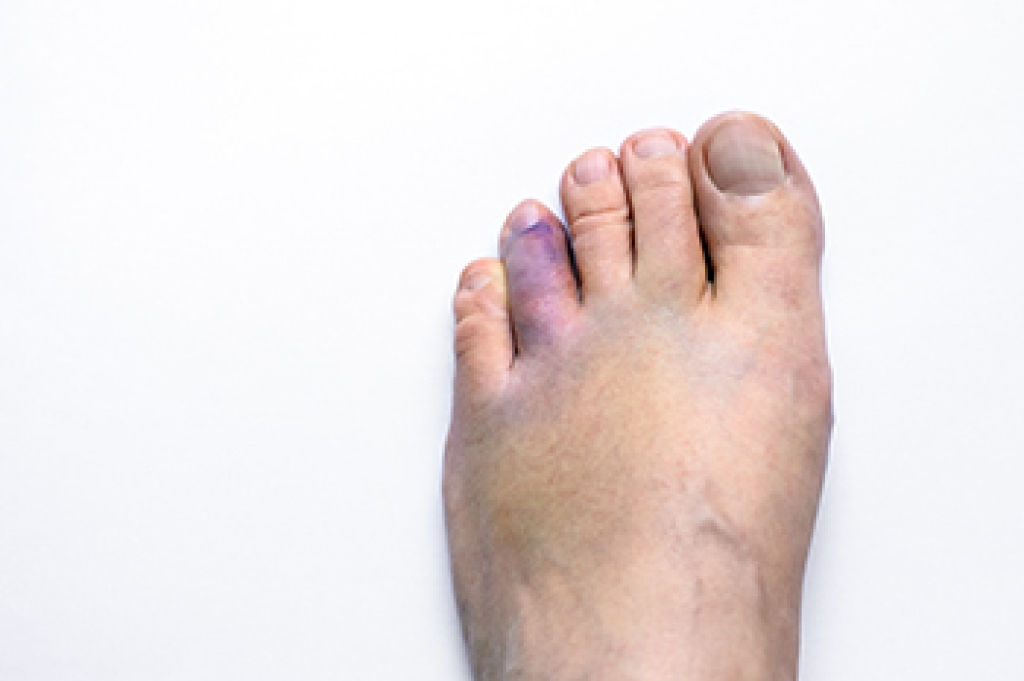
Broken Toe Symptoms and Treatment Options

A broken toe occurs when one of the bones in a toe cracks or breaks. The injury follows an impact, like striking furniture or dropping something heavy on the foot. Repeated stress also causes toe fractures. Symptoms include pain, swelling, and bruising. The affected toe may appear crooked or feel tender when touched. Some patients experience discomfort while walking or wearing shoes. A broken toe sometimes resembles a sprain, making the injury difficult to identify without an examination. The big toe deserves attention because it plays an important role in balance and movement. Even a smaller toe fracture may interfere with activities. Proper diagnosis helps determine whether the bones remain aligned and what protection is appropriate.

A podiatrist examines the injured toe and asks how the pain began. The evaluation includes checking tenderness, skin condition, and toe position. X-rays help confirm a fracture and reveal whether the bone has shifted. Treatment depends on the location and severity of the break. For certain stable fractures, a podiatrist secures the injured toe to a neighboring toe with protective padding. This approach, called buddy taping, helps limit movement. A stiff-soled shoe or walking boot may provide additional protection. Fractures involving the big toe sometimes require closer monitoring because the joint carries pressure. A visibly crooked toe, an open wound, or reduced circulation requires prompt assessment. Follow-up visits allow the podiatrist to check alignment and healing.

A broken toe affects more than the injured area. Patients sometimes change their steps to avoid pain, placing extra pressure on nearby parts of the foot. A podiatrist evaluates these walking changes and adjusts protective support as recovery progresses. Healing depends on the fracture's position and the patient's foot health. The podiatrist monitors lingering swelling, joint stiffness, and discomfort with movement. Persistent pain deserves reassessment because some fractures heal more slowly than expected. Treatment focuses on protecting the bone and supporting a return to comfortable activity. Evaluation also helps identify injuries that require closer attention. If you have broken your toe, it is suggested that you schedule an appointment with a podiatrist for effective relief and treatment techniques.

Broken toes may cause a lot of pain and should be treated as soon as possible. If you have any concerns about your feet, contact Vrunda Dalal, DPM from Sole Focus Foot and Ankle. our doctor will treat your foot and ankle needs.

What Is a Broken Toe?

A broken toe occurs when one or more of the toe bones of the foot are broken after an injury. Injuries such as stubbing your toe or dropping a heavy object on it may cause a toe fracture.

Symptoms of a Broken Toe

  • Swelling
  • Pain (with/without wearing shoes)
  • Stiffness
  • Nail Injury

Although the injured toe should be monitored daily, it is especially important to have a podiatrist look at your toe if you have severe symptoms. Some of these symptoms include worsening or new pain that is not relieved with medication, sores, redness, or open wounds near the toe.

If you have any questions please feel free to contact our office located in Marlton, NJ . We offer the newest diagnostic tools and technology to treat your foot and ankle needs.

Read more about What to Know About a Broken Toe

Causes Behind Persistent Ankle Pain

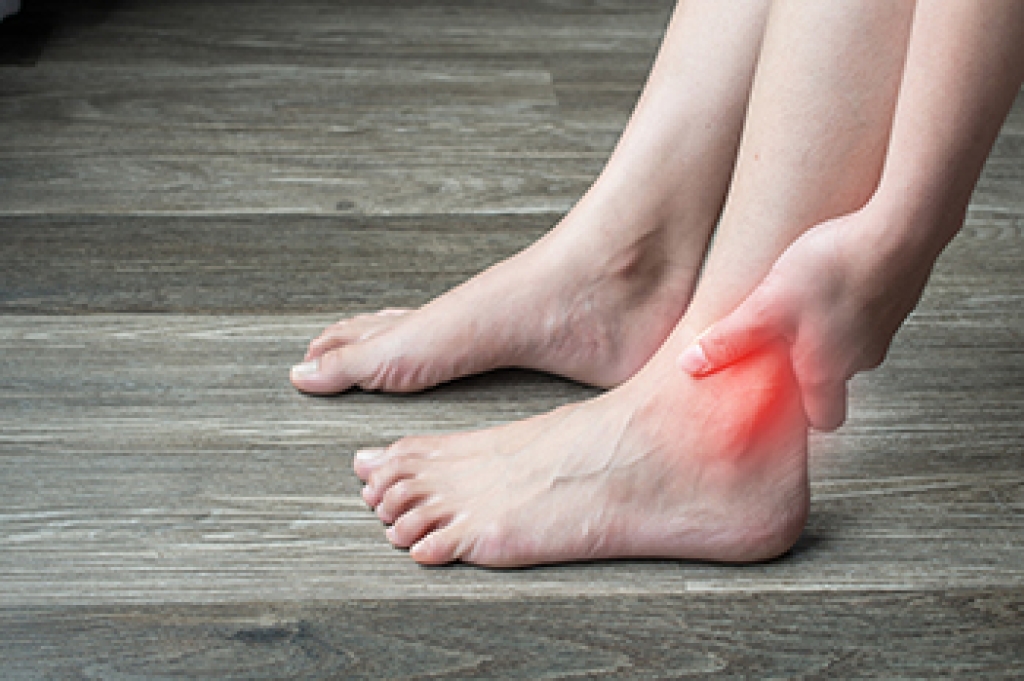
Ankle pain may develop when nerves surrounding the foot and ankle become irritated, compressed, or damaged. These nerves travel from the brain through the legs and into the feet, helping control movement and provide sensation. When a nerve experiences pressure or injury, it may interfere with normal foot function and cause ongoing discomfort. One possible cause of ankle pain is tarsal tunnel syndrome, which occurs when a nerve becomes compressed within a narrow passage along the inside of the ankle. This nerve, known as the posterior tibial nerve, provides feeling to areas of the foot. Pressure on this nerve may lead to persistent pain and changes in sensation.


Symptoms of nerve-related ankle pain vary depending on the location and severity of the irritation. Common signs include burning discomfort, tingling, and numbness around the ankle or foot. Some individuals experience sharp or shooting pain that extends into the toes. Others notice reduced sensation, making it difficult to feel certain types of contact or temperature changes. Nerve damage may also affect the muscles responsible for moving the foot and toes. These symptoms sometimes develop gradually and become more noticeable as nerve irritation continues. Persistent ankle discomfort may interfere with walking, standing, and other daily activities. Identifying the source of the pain is important because different nerves affect different areas of the foot.


A podiatrist evaluates ankle pain by examining the affected area and identifying possible signs of nerve compression. The examination focuses on the location of discomfort, changes in sensation, and movement difficulties. Understanding which nerve is affected helps guide appropriate treatment decisions. Podiatric care focuses on addressing the source of nerve irritation and improving foot and ankle function. Early evaluation is especially important when symptoms persist or sensation begins to change. If you are experiencing ongoing ankle pain, tingling, or numbness, it is suggested that you consult a podiatrist for an evaluation and appropriate treatment options.

Ankle pain can be caused by a number of problems and may be potentially serious. If you have ankle pain, consult with Vrunda Dalal, DPM from Sole Focus Foot and Ankle. our doctor will assess your condition and provide you with quality foot and ankle treatment.

Ankle pain is any condition that causes pain in the ankle. Due to the fact that the ankle consists of tendons, muscles, bones, and ligaments, ankle pain can come from a number of different conditions.

Causes

The most common causes of ankle pain include:

  • Types of arthritis (rheumatoid, osteoarthritis, and gout)
  • Ankle sprains
  • Broken ankles
  • Achilles tendonitis
  • Achilles tendon rupture
  • Stress fractures
  • Bursitis
  • Tarsal tunnel syndrome
  • Plantar fasciitis

Symptoms

Symptoms of ankle injury vary based upon the condition. Pain may include general pain and discomfort, swelling, aching, redness, bruising, burning or stabbing sensations, and/or loss of sensation.

Diagnosis

Due to the wide variety of potential causes of ankle pain, podiatrists will utilize a number of different methods to properly diagnose ankle pain. This can include asking for personal and family medical histories and of any recent injuries. Further diagnosis may include sensation tests, a physical examination, and potentially x-rays or other imaging tests.

Treatment

Just as the range of causes varies widely, so do treatments. Some more common treatments are rest, ice packs, keeping pressure off the foot, orthotics and braces, medication for inflammation and pain, and surgery.

If you have any questions please feel free to contact our office located in Marlton, NJ . We offer the newest diagnostic tools and technology to treat your foot and ankle needs.
Read more about Various Causes of Ankle Pain

Wounds That Don't Heal Need to Be Checked

Your feet are covered most of the day. If you're diabetic, periodic screening is important for good health. Numbness is often a sign of diabetic foot and can mask a sore or wound.

Poor Circulation and Raynaud’s Phenomenon

Raynaud's phenomenon is a condition in which small blood vessels temporarily narrow in response to cold temperatures or emotional stress. This reduces blood flow to certain areas, most often the fingers and toes. During an episode, toes may feel cold or numb, and can change color. Skin may appear pale or white before becoming blue, then red, as blood flow returns. Tingling, throbbing, or burning can occur. Episodes may last several minutes, or longer.

Raynaud's phenomenon can occur on its own or alongside another medical condition. Primary Raynaud's is more common and occurs without another known disease. Secondary Raynaud's can be linked with conditions that affect blood vessels or connective tissue. Risk factors include family history, repeated cold exposure, and smoking. Certain medications can also affect circulation. Frequent or severe episodes deserve medical attention because they can sometimes affect skin health. Reduced blood flow may contribute to sores or slow healing.

When cold toes are a concern, a podiatrist can examine the feet and lower extremities for related circulation changes. The evaluation may include checking pulses, skin color, and sensation. Skin and nails are examined. If the findings suggest a broader circulation problem, referral for additional vascular evaluation may be appropriate. Treatment focuses on protecting the extremities from cold, keeping the skin healthy, and addressing the underlying cause when one is identified.

Simple daily habits may help reduce episodes. Staying warm before going outdoors can be helpful. Avoiding smoking and managing known health conditions may also support healthy circulation. If sores, persistent color changes, or significant pain develop, prompt evaluation is important. If you have cold feet or toes, it is suggested that you consult a podiatrist for an accurate diagnosis and appropriate treatment.

While poor circulation itself isn’t a condition; it is a symptom of another underlying health condition you may have. If you have any concerns with poor circulation in your feet contact Vrunda Dalal, DPM of Sole Focus Foot and Ankle. our doctor will treat your foot and ankle needs.

Poor Circulation in the Feet

Peripheral artery disease (PAD) can potentially lead to poor circulation in the lower extremities. PAD is a condition that causes the blood vessels and arteries to narrow. In a linked condition called atherosclerosis, the arteries stiffen up due to a buildup of plaque in the arteries and blood vessels. These two conditions can cause a decrease in the amount of blood that flows to your extremities, therefore resulting in pain.

Symptoms

Some of the most common symptoms of poor circulation are:

  • Numbness
  • Tingling
  • Throbbing or stinging pain in limbs
  • Pain
  • Muscle Cramps

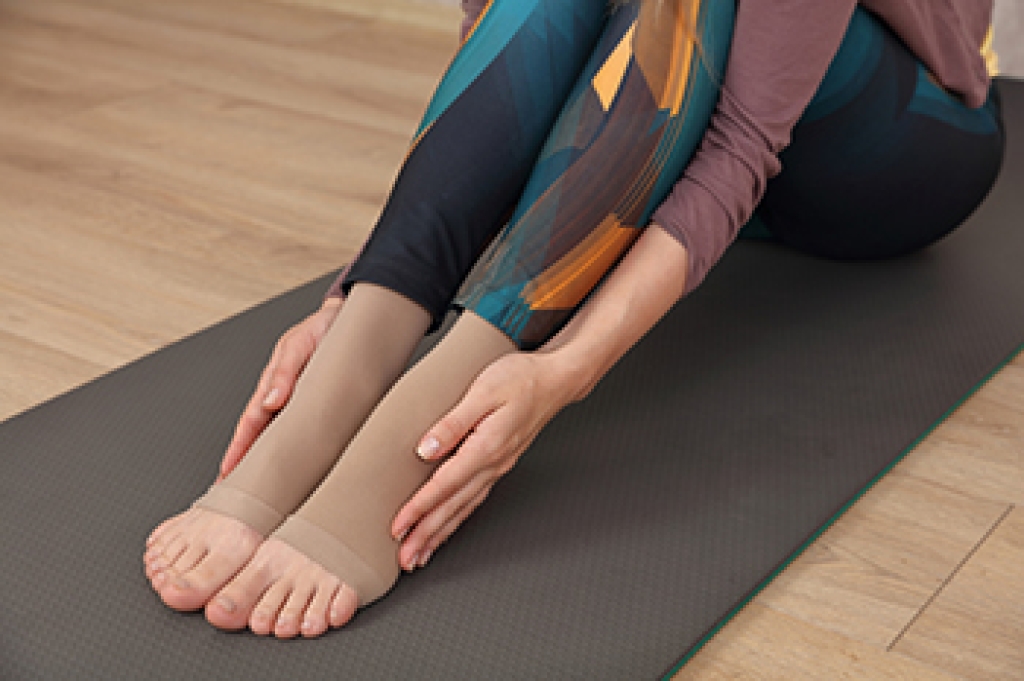
Treatment for poor circulation often depends on the underlying condition that causes it. Methods for treatment may include insulin for diabetes, special exercise programs, surgery for varicose veins, or compression socks for swollen legs.

As always, see a podiatrist as he or she will assist in finding a regimen that suits you. A podiatrist can also prescribe you any needed medication. 

If you have any questions, please feel free to contact our office located in Marlton, NJ . We offer the newest diagnostic and treatment technologies for all your foot care needs.

Read more about Causes, Symptoms, and Treatment of Poor Blood Circulation in the Feet

Preventing Foot Pain While Gardening With Proper Footwear

Gardening is a relaxing way to enjoy the outdoors, but spending hours digging, planting, and walking on uneven ground can leave your feet sore. Foot pain while gardening may develop from prolonged standing, repetitive movements, or wearing shoes that do not provide enough support. Common problems include heel pain, arch discomfort, and ankle soreness. Wearing the right gardening shoes can help protect your feet and make outdoor activities more comfortable.

Foot pain may feel like aching, burning, or sharp discomfort when walking. Symptoms can develop during gardening, or become noticeable afterward. Repeated pressure on the heel may contribute to plantar fasciitis, while tight footwear can cause blisters and irritation. Uneven ground may also strain the ankles. Risk factors include spending long periods of time on your feet, having existing foot conditions, and wearing worn-out shoes. People with diabetes or reduced sensation should take extra care to prevent unnoticed injuries.


Choosing suitable gardening footwear can help prevent discomfort and protect your feet from outdoor hazards. Look for sturdy materials that resist wear and provide reliable support. Waterproof shoes or boots help keep feet dry when working in wet soil or grass.Good traction is also important for walking safely on slippery or uneven surfaces. Replace footwear when the soles become worn or the support breaks down.


If foot pain continues, a podiatrist can examine your feet and identify the cause. The evaluation may include checking your walking pattern, joint movement, and areas of tenderness. Depending on the diagnosis, treatment may involve wearing supportive footwear, custom orthotics, or recommendations to reduce pressure while the foot heals. A podiatrist can also assess blisters or wounds and provide appropriate care. Do not ignore persistent pain or swelling. If foot pain develops from wearing improper shoes while gardening, it is suggested that you consult a podiatrist for effective relief solutions, and additional guidance on choosing the right gardening shoes.

It is important to find shoes that fit you properly in order to avoid a variety of different foot problems. For more information about treatment, contact Vrunda Dalal, DPM from Sole Focus Foot and Ankle. our doctor will treat your foot and ankle needs.

Proper Shoe Fitting

Shoes have many different functions. They cushion our body weight, protect our feet, and allow us to safely play sports. You should always make sure that the shoes you wear fit you properly in order to avoid injuries and deformities such as: bunions, corns, calluses, hammertoes, plantar fasciitis, stress fractures, and more. It is important to note that although a certain pair of shoes might be a great fit for someone else, that doesn’t mean they will be a great fit for you. This is why you should always try on shoes before buying them to make sure they are worth the investment. Typically, shoes need to be replaced ever six months to one year of regular use.

Tips for Proper Shoe Fitting

  • Select a shoe that is shaped like your foot
  • Don’t buy shoes that fit too tight, expecting them to stretch to fit
  • Make sure there is enough space (3/8” to ½”) for your longest toe at the end of each shoe when you are standing up
  • Walk in the shoes to make sure they fit and feel right
  • Don’t select shoes by the size marked inside the shoe, but by how the shoe fits your foot

The shoes you buy should always feel as good as they look. Shoes that fit properly will last longer, feel better, and improve your way of life each day.

If you have any questions please contact our office located in Marlton, NJ . We offer the newest diagnostic and treatment technologies for all your foot and ankle needs.

Read more about How to Get a Proper Shoe Fit
Advanced Podiatric Procedures & Services in the Burlington County, NJ: Marlton, Medford, Medford Lakes, Mount Laurel, Moorestown, Delran, Cinnaminson, Evesham Township, Camden County, NJ: Cherry Hill, Voorhees, Berlin, Haddonfield, Lawnside, Gloucester County, NJ: Washington Township, Deptford, Woodbury Heights areas
Vrunda Dalal, DPM