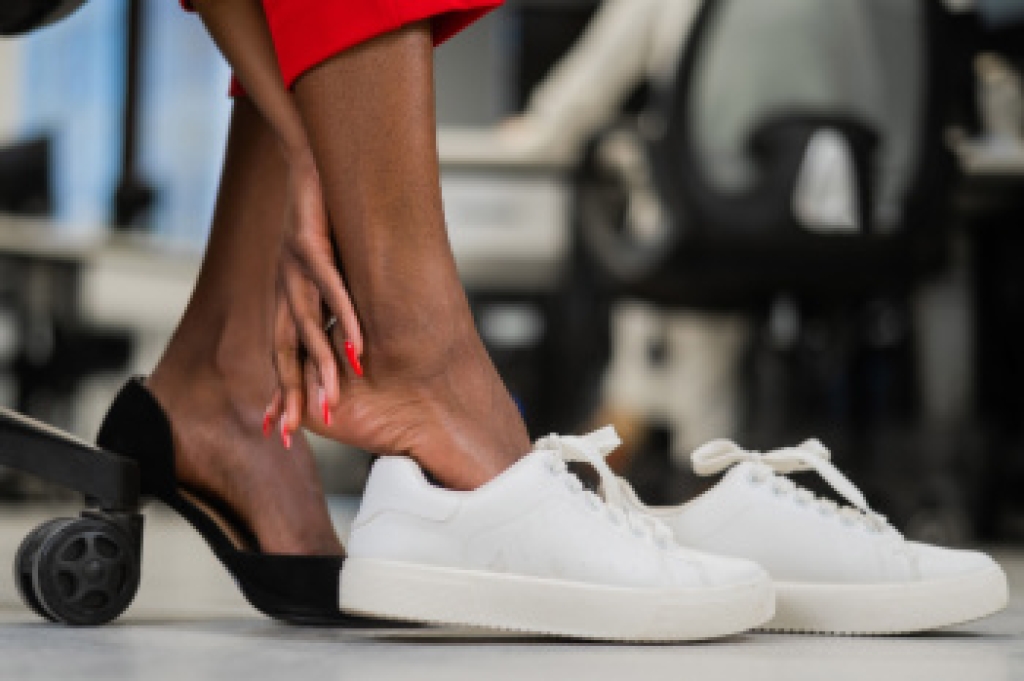
Gardening is a relaxing way to enjoy the outdoors, but spending hours digging, planting, and walking on uneven ground can leave your feet sore. Foot pain while gardening may develop from prolonged standing, repetitive movements, or wearing shoes that do not provide enough support. Common problems include heel pain, arch discomfort, and ankle soreness. Wearing the right gardening shoes can help protect your feet and make outdoor activities more comfortable.
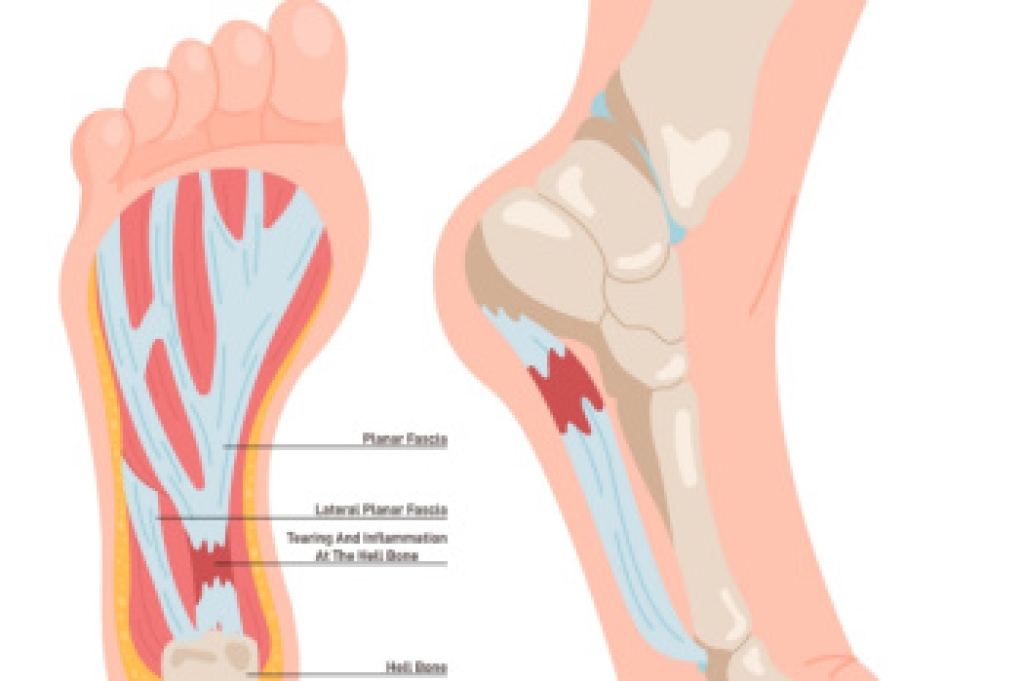
Foot pain may feel like aching, burning, or sharp discomfort when walking. Symptoms can develop during gardening, or become noticeable afterward. Repeated pressure on the heel may contribute to plantar fasciitis, while tight footwear can cause blisters and irritation. Uneven ground may also strain the ankles. Risk factors include spending long periods of time on your feet, having existing foot conditions, and wearing worn-out shoes. People with diabetes or reduced sensation should take extra care to prevent unnoticed injuries.
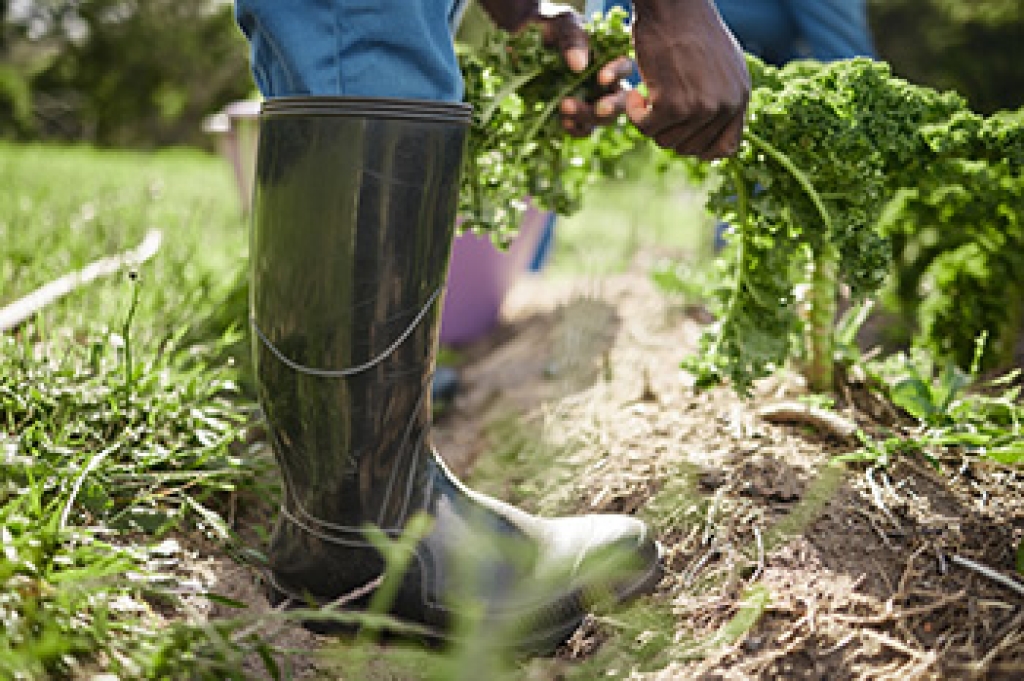
Choosing suitable gardening footwear can help prevent discomfort and protect your feet from outdoor hazards. Look for sturdy materials that resist wear and provide reliable support. Waterproof shoes or boots help keep feet dry when working in wet soil or grass.Good traction is also important for walking safely on slippery or uneven surfaces. Replace footwear when the soles become worn or the support breaks down.
If foot pain continues, a podiatrist can examine your feet and identify the cause. The evaluation may include checking your walking pattern, joint movement, and areas of tenderness. Depending on the diagnosis, treatment may involve wearing supportive footwear, custom orthotics, or recommendations to reduce pressure while the foot heals. A podiatrist can also assess blisters or wounds and provide appropriate care. Do not ignore persistent pain or swelling. If foot pain develops from wearing improper shoes while gardening, it is suggested that you consult a podiatrist for effective relief solutions, and additional guidance on choosing the right gardening shoes.
It is important to find shoes that fit you properly in order to avoid a variety of different foot problems. For more information about treatment, contact Vrunda Dalal, DPM from Sole Focus Foot and Ankle. our doctor will treat your foot and ankle needs.
Proper Shoe Fitting
Shoes have many different functions. They cushion our body weight, protect our feet, and allow us to safely play sports. You should always make sure that the shoes you wear fit you properly in order to avoid injuries and deformities such as: bunions, corns, calluses, hammertoes, plantar fasciitis, stress fractures, and more. It is important to note that although a certain pair of shoes might be a great fit for someone else, that doesn’t mean they will be a great fit for you. This is why you should always try on shoes before buying them to make sure they are worth the investment. Typically, shoes need to be replaced ever six months to one year of regular use.
Tips for Proper Shoe Fitting
- Select a shoe that is shaped like your foot
- Don’t buy shoes that fit too tight, expecting them to stretch to fit
- Make sure there is enough space (3/8” to ½”) for your longest toe at the end of each shoe when you are standing up
- Walk in the shoes to make sure they fit and feel right
- Don’t select shoes by the size marked inside the shoe, but by how the shoe fits your foot
The shoes you buy should always feel as good as they look. Shoes that fit properly will last longer, feel better, and improve your way of life each day.
If you have any questions please contact our office located in Marlton, NJ . We offer the newest diagnostic and treatment technologies for all your foot and ankle needs.