Ingrown Toenail Symptoms

An ingrown toenail occurs when the edge of the nail grows into the surrounding skin, causing irritation and inflammation. Common symptoms include pain, redness, swelling, and sometimes drainage if infection develops. Risk factors include improper nail trimming, tight footwear, and environments that keep the feet warm and moist. Repetitive pressure or injury can also contribute to this condition. Without treatment, discomfort may worsen and limit daily activity. A podiatrist can safely treat the ingrown nail, relieve pressure, and provide guidance to prevent recurrence. Early care helps avoid complications and supports healthy nail growth. If you have a painful or infected ingrown toenail, it is suggested that you consult a podiatrist who can offer effective treatment solutions, which may include prescribed medication.

Ingrown toenails can become painful if they are not treated properly. For more information about ingrown toenails, contact Vrunda Dalal, DPM of Sole Focus Foot and Ankle. our doctor can provide the care you need to keep you pain-free and on your feet.

Ingrown Toenails

Ingrown toenails occur when a toenail grows sideways into the bed of the nail, causing pain, swelling, and possibly infection.

Causes

  • Bacterial infections
  • Improper nail cutting such as cutting it too short or not straight across
  • Trauma to the toe, such as stubbing, which causes the nail to grow back irregularly
  • Ill-fitting shoes that bunch the toes too close together
  • Genetic predisposition

Prevention

Wearing proper fitting shoes and using proper cutting techniques will also help decrease your risk of developing ingrown toenails.

Treatment

Ingrown toenails are a very treatable foot condition. In minor cases, soaking the affected area in salt or antibacterial soaps will not only help with the ingrown nail itself, but also help prevent any infections from occurring. In more severe cases, surgery is an option. In either case, speaking to your podiatrist about this condition will help you get a better understanding of specific treatment options that are right for you.

If you have any questions, please feel free to contact our office located in Marlton, NJ . We offer the newest diagnostic and treatment technologies for all your foot care needs.

Read more about Ingrown Toenails

Stop Stubborn Plantar Warts with Swift

Are you frustrated by plantar warts? Plantar warts are commonly found on the soles of the feet or other areas that bear weight. They form due to exposure to the human papillomavirus (HPV). Effectively treat plantar warts with Swift, an FDA-cleared technology that has proven to be highly effective in the removal of plantar warts.

Morton’s Neuroma and Forefoot Pain

Morton’s neuroma is a painful condition involving thickened tissue around a nerve in the forefoot, often between the third and fourth toes. It is commonly seen in individuals who exercise frequently, especially with activities that involve repetitive pressure on the ball of the foot. Risk factors include tight footwear, high-impact movement, and foot structure imbalances. Symptoms include burning pain, tingling, numbness, or the sensation of standing on a small object. Without treatment, discomfort may worsen over time. A podiatrist can evaluate the condition, recommend footwear changes, and offer custom orthotics or advanced care. If you have pain in this part of your foot, it is suggested that you consult a podiatrist who can accurately diagnose and treat what may be going on.

Morton’s neuroma is a very uncomfortable condition to live with. If you think you have Morton’s neuroma, contact Vrunda Dalal, DPM of Sole Focus Foot and Ankle. our doctor will attend to all of your foot care needs and answer any of your related questions.  

Morton’s Neuroma

Morton's neuroma is a painful foot condition that commonly affects the areas between the second and third or third and fourth toe, although other areas of the foot are also susceptible. Morton’s neuroma is caused by an inflamed nerve in the foot that is being squeezed and aggravated by surrounding bones.

What Increases the Chances of Having Morton’s Neuroma?

  • Ill-fitting high heels or shoes that add pressure to the toe or foot
  • Jogging, running or any sport that involves constant impact to the foot
  • Flat feet, bunions, and any other foot deformities

Morton’s neuroma is a very treatable condition. Orthotics and shoe inserts can often be used to alleviate the pain on the forefront of the feet. In more severe cases, corticosteroids can also be prescribed. In order to figure out the best treatment for your neuroma, it’s recommended to seek the care of a podiatrist who can diagnose your condition and provide different treatment options.

If you have any questions, please feel free to contact our office located in Marlton, NJ . We offer the newest diagnostic and treatment technologies for all your foot care needs.

Read more about Morton's Neuroma

A Gentle Way to Improve Ingrown and Damaged Toenails

onyfix

Ingrown and damaged toenails can cause discomfort, limit activity, and affect confidence. New in-office treatments offer simple, painless solutions that work with the natural nail rather than against it. The Onyfix system helps correct ingrown nails by guiding growth into a healthier shape using a moldable material that hardens on the nail surface. This allows gradual improvement without cutting or pressure, and most people can continue normal activities, including swimming. For nails that are thick, discolored, or uneven from fungus or injury, the Keryflex™ Nail Restoration System provides a natural-looking covering. A flexible resin is shaped over the nail and cured to create a smooth, durable surface that protects while the nail grows. Both options are comfortable and require little downtime. If you are dealing with toenail pain or notice changes in their appearance, it is suggested that you see a provider to see if either one of these treatments is appropriate for you.

Understanding Plantar Fasciitis

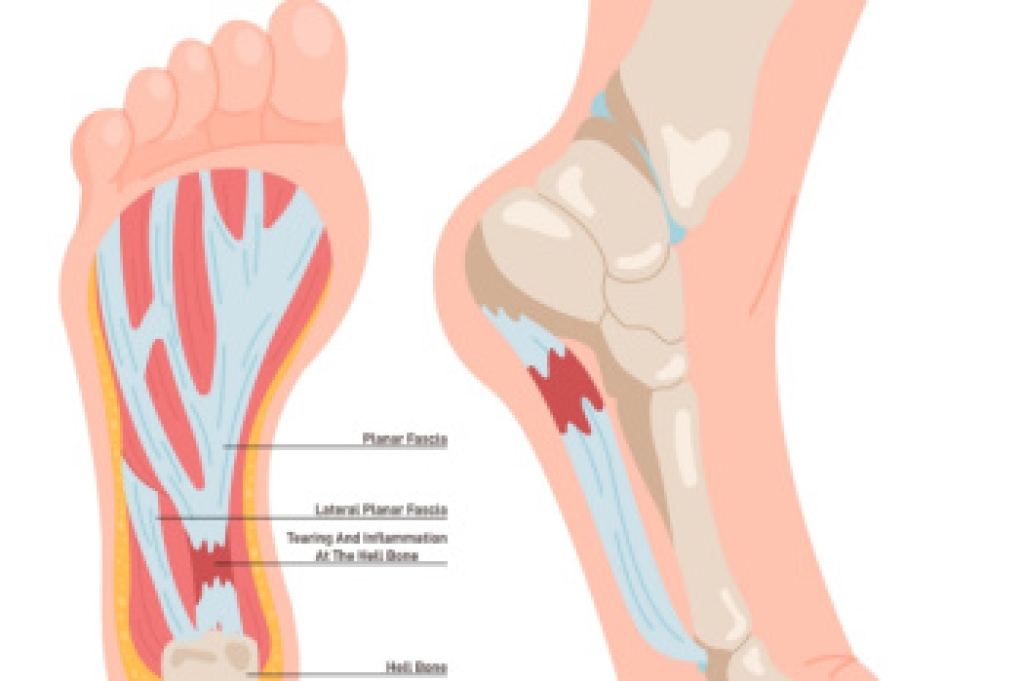
Plantar fasciitis is one of the most frequent causes of heel discomfort and develops when the strong band of tissue along the bottom of the foot becomes irritated or overstressed. This tissue, called the plantar fascia, supports the arch and helps absorb the force created during walking and standing. When the fascia becomes strained, tiny tears can develop that lead to inflammation and heel pain. Many people first notice discomfort when stepping out of bed in the morning or after sitting for a long period. The pain may feel sharp at the heel and sometimes spreads across the bottom of the foot. Causes include overuse, tight calf muscles, flat feet, high arches, or shoes that lack proper support. A podiatrist can evaluate the foot structure, identify the source of the irritation, and guide treatment. Care may include supportive footwear, custom orthotics, anti-inflammatory care, and targeted exercises to ease tension. If you have plantar fasciitis, it is suggested that you make an appointment with a podiatrist.

Plantar fasciitis can be very painful and inconvenient. If you are experiencing heel pain or symptoms of plantar fasciitis, contact Vrunda Dalal, DPM  from Sole Focus Foot and Ankle. our doctor can provide the care you need to keep you pain-free and on your feet.

What Is Plantar Fasciitis?

Plantar fasciitis is the inflammation of the thick band of tissue that runs along the bottom of your foot, known as the plantar fascia, and causes mild to severe heel pain.

What Causes Plantar Fasciitis?

  • Excessive running
  • Non-supportive shoes
  • Overpronation
  • Repeated stretching and tearing of the plantar fascia

How Can It Be Treated?

  • Conservative measures – anti-inflammatories, ice packs, stretching exercises, physical therapy, orthotic devices
  • Shockwave therapy – sound waves are sent to the affected area to facilitate healing and are usually used for chronic cases of plantar fasciitis
  • Surgery – usually only used as a last resort when all else fails. The plantar fascia can be surgically detached from the heel

While very treatable, plantar fasciitis is definitely not something that should be ignored. Especially in severe cases, speaking to your doctor right away is highly recommended to avoid complications and severe heel pain. Your podiatrist can work with you to provide the appropriate treatment options tailored to your condition.

If you have any questions, please feel free to contact our office located in Marlton, NJ . We offer the newest diagnostic and treatment technologies for all your foot care needs.

Read more about Plantar Fasciitis
Advanced Podiatric Procedures & Services in the Burlington County, NJ: Marlton, Medford, Medford Lakes, Mount Laurel, Moorestown, Delran, Cinnaminson, Evesham Township, Camden County, NJ: Cherry Hill, Voorhees, Berlin, Haddonfield, Lawnside, Gloucester County, NJ: Washington Township, Deptford, Woodbury Heights areas
Vrunda Dalal, DPM