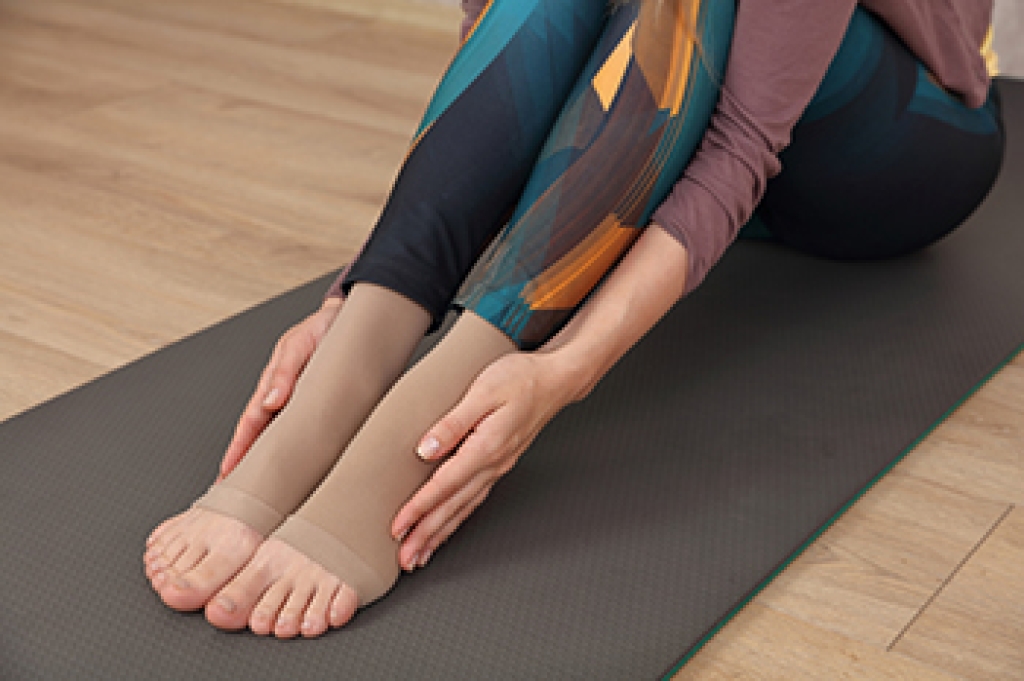
Pain That Develops in the Arch of the Foot

Pain in the arch of the foot can develop from strain, injury, or structural problems that affect how the foot supports body weight. The arch is made of muscles, ligaments, and connective tissue that help absorb shock while walking and standing. When these structures become irritated, pain may occur along the bottom or inside of the foot. It can range from dull aching to sharp discomfort. Some patients notice stiffness in the morning, swelling, or increased pain after long periods of activity. Common causes include plantar fasciitis, flat feet, and overly high arches. Tendon strain or overuse from sports and exercise may also be factors. Wearing poor footwear and standing for extended periods of time may place added stress on the arch. A podiatrist can evaluate the arch and movement of the foot to identify the source of the pain. Treatment may include supportive footwear, targeted exercises, or anti-inflammatory care. Other therapies may be prescribed to relieve pressure and improve function. If you have pain in the arch of your foot, it is suggested that you schedule an appointment with a podiatrist for appropriate  treatment.

Foot Pain

Foot pain can be extremely painful and debilitating. If you have a foot pain, consult with Vrunda Dalal, DPM from Sole Focus Foot and Ankle. our doctor will assess your condition and provide you with quality foot and ankle treatment.

Causes

Foot pain is a very broad condition that could be caused by one or more ailments. The most common include:

  • Bunions
  • Hammertoes
  • Plantar Fasciitis
  • Bone Spurs
  • Corns
  • Tarsal Tunnel Syndrome
  • Ingrown Toenails
  • Arthritis (such as Gout, Rheumatoid, and Osteoarthritis)
  • Flat Feet
  • Injury (from stress fractures, broken toe, foot, ankle, Achilles tendon ruptures, and sprains)
  • And more

Diagnosis

To figure out the cause of foot pain, podiatrists utilize several different methods. This can range from simple visual inspections and sensation tests to X-rays and MRI scans. Prior medical history, family medical history, and any recent physical traumatic events will all be taken into consideration for a proper diagnosis.

Treatment

Treatment depends upon the cause of the foot pain. Whether it is resting, staying off the foot, or having surgery; podiatrists have a number of treatment options available for foot pain.

If you have any questions, please feel free to contact our office located in Marlton, NJ . We offer the newest diagnostic and treatment technologies for all your foot care needs.

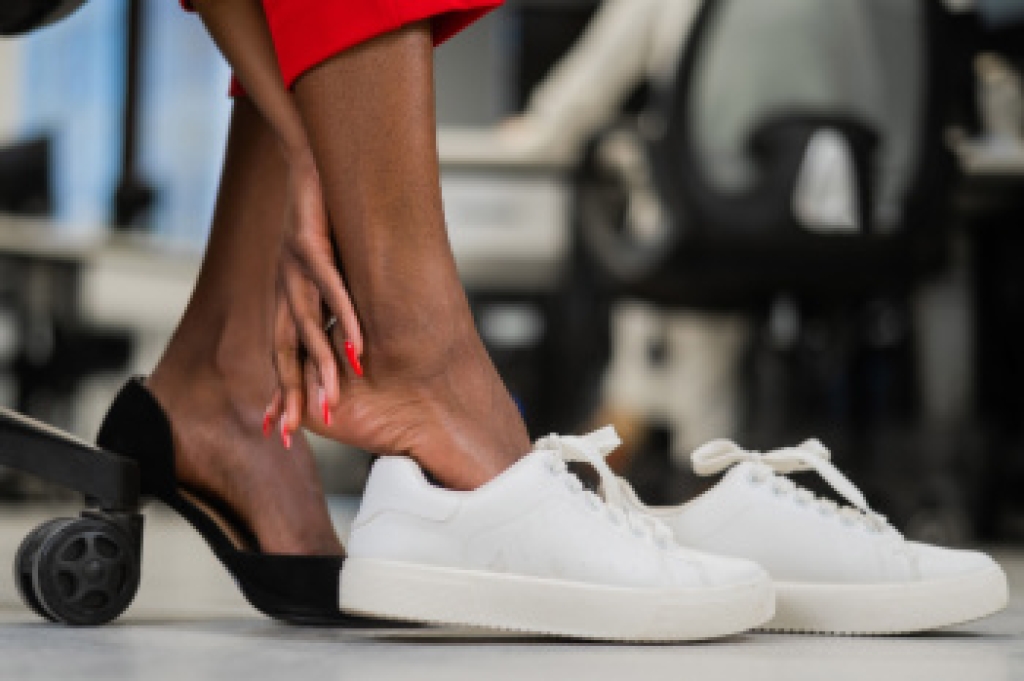
Read more about Foot Pain

Ankle Sprains and Simple Ways to Prevent Them

An ankle sprain occurs when the ligaments supporting the ankle are stretched or torn, often from twisting or rolling the foot. Prevention focuses on improving strength and flexibility. Strengthening the calf muscles can be done by slowly rising onto the toes and lowering back down with control. Practicing gentle side to side movements can help improve balance and ankle stability. Additionally, stretching the calf muscles by placing the hands against a wall and extending one leg back can increase flexibility and reduce strain. These habits can support safer movement during daily activities and exercise. A podiatrist can evaluate ankle stability, provide personalized guidance, and recommend supportive care. If you have sprained your ankle, it is suggested that you consult a podiatrist who can offer effective relief, treatment, and prevention solutions.

Although ankle sprains are common, they aren’t always minor injuries. If you need your ankle injury looked at, contact Vrunda Dalal, DPM from Sole Focus Foot and Ankle. our doctor can provide the care you need to keep you pain-free and on your feet.

How Does an Ankle Sprain Occur?

Ankle sprains are the result of a tear in the ligaments within the ankle. These injuries may happen when you make a rapid shifting movement while your foot is planted. A less common way to sprain your ankle is when your ankle rolls inward while your foot turns outward.

What Are the Symptoms?

  • Pain at the sight of the tear
  • Bruising/Swelling
  • Ankle area is tender to touch
  • In severe cases, may hear/feel something tear
  • Skin discoloration

Preventing a Sprain

  • Wearing appropriate shoes for the occasion
  • Stretching before exercises and sports
  • Knowing your limits

Treatment of a Sprain

In many cases, the RICE method (Rest, Ice, Compression, and Elevate) is used to treat ankle sprains. However, you should see a podiatrist to see which treatment option would work best with your injury. In severe cases, surgery may be required.

It is important to ask your doctor about rehab options after you receive treatment for your injury. Stretching, strength training, and balance exercises may help the ankle heal while also preventing further injury.

If you have any questions, please feel free to contact our office located in Marlton, NJ . We offer the newest diagnostic and treatment technologies for all your foot care needs.
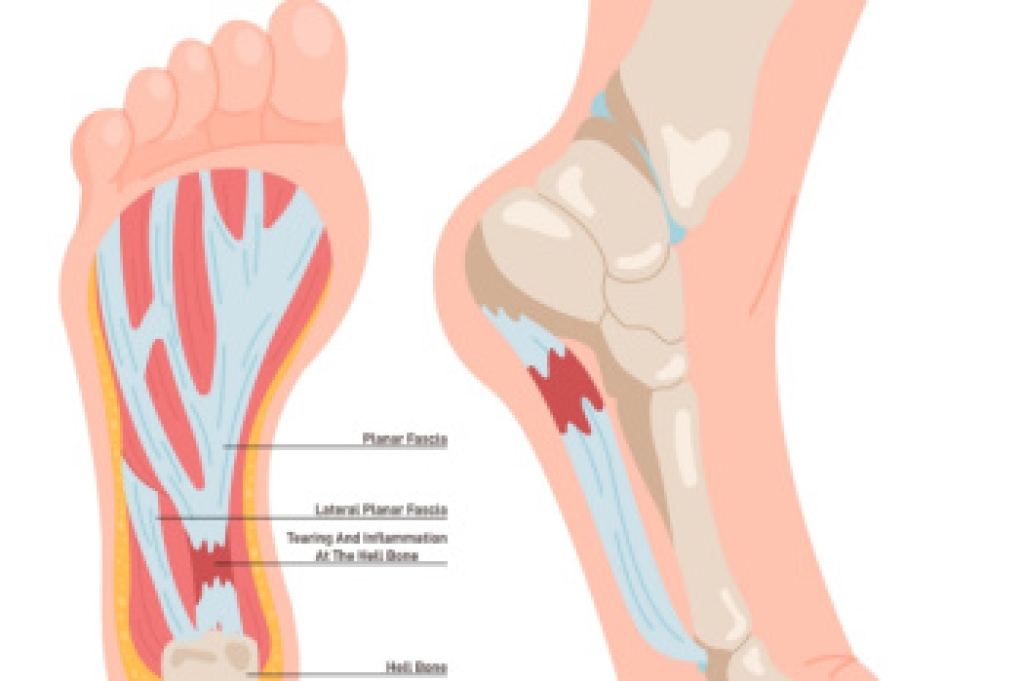
Read more about Ankle Sprains

Running Smart and Staying Strong

Running offers great benefits, from improved heart health to better mood and endurance, but it can also lead to injury if not done carefully. Many runners deal with issues like shin splints, plantar fasciitis, or stress fractures when they increase mileage too quickly or wear improper shoes. Paying attention to form, pacing, and surface can make a big difference in how your body responds. Gradual training allows muscles and joints to adapt, lowering the risk of strain. It is also important to understand your foot type, as this affects how you move and absorb impact. A podiatrist can evaluate your gait, recommend supportive footwear, and provide custom orthotics, if needed. They can also address early signs of injury before they become serious problems. It is suggested that if you experience foot pain while running, you see a podiatrist for appropriate relief and treatment solutions.

All runners should take extra precaution when trying to avoid injury. If you have any concerns about your feet, contact Vrunda Dalal, DPM of Sole Focus Foot and Ankle. our doctor will treat your foot and ankle needs.

How to Prevent Running Injuries

There are a lot of mistakes a runner can make prior to a workout that can induce injury. A lot of athletes tend to overstretch before running, instead of saving those workouts for a post-run routine. Deep lunges and hand-to-toe hamstring pulls should be performed after a workout instead of during a warmup. Another common mistake is jumping into an intense routine before your body is physically prepared for it. You should try to ease your way into long-distance running instead of forcing yourself to rush into it.

More Tips for Preventing Injury

  • Incorporate Strength Training into Workouts - This will help improve the body’s overall athleticism
  • Improve and Maintain Your Flexibility – Stretching everyday will help improve overall performance
  • “Warm Up” Before Running and “Cool Down” Afterward – A warm up of 5-10 minutes helps get rid of lactic acid in the muscles and prevents delayed muscle soreness
  • Cross-Training is Crucial
  • Wear Proper Running Shoes
  • Have a Formal Gait Analysis – Poor biomechanics can easily cause injury

If you have any questions, please feel free to contact our office located in Marlton, NJ . We offer the newest diagnostic and treatment technologies for all your foot care needs.

Read more about How to Prevent Running Injuries

Gout Pain Can Be Managed

Gout is a painful, inflammatory form of arthritis. Those affected will typically feel an intense stiffness in the joints of their feet, particularly in the big toe. Schedule a visit to learn about how gout can be managed and treated.

Thick Toenails and Fungal Infections

Thick toenails are often caused by toenail fungus, a common infection that targets the nail and surrounding tissue. This condition develops when fungi enter through small cracks and thrive in warm moist environments. Symptoms include discoloration, nails that become yellow or brown, thickened texture, splitting, and lifting away from the nail bed. Walking barefoot around pool areas and locker rooms increases exposure, and athlete’s foot can spread infection to the nails. Athlete’s foot may cause itching, redness, and peeling skin. Risk factors include poor hygiene, wearing damp footwear, and a weakened immune system. A podiatrist can diagnose the infection, provide targeted treatment, and recommend preventive care. If you have noticed your toenails have become thick or have changed color, it is suggested that you consult a podiatrist who can offer effective treatment solutions, which may include prescribed medication.

For more information about treatment, contact Vrunda Dalal, DPM of Sole Focus Foot and Ankle. our doctor can provide the care you need to keep you pain-free and on your feet.

Toenail Fungus Treatment

Toenail fungus is a condition that affects many people and can be especially hard to get rid of. Fortunately, there are several methods to go about treating and avoiding it.

Antifungals & Deterrence

Oral antifungal medicine has been shown to be effective in many cases. It is important to consult with a podiatrist to determine the proper regiment for you, or potentially explore other options.

Applying foot powder on the feet and shoes helps keep the feet free of moisture and sweat.

Sandals or open toed shoes – Wearing these will allow air movement and help keep feet dry. They also expose your feet to light, which fungus cannot tolerate. Socks with moisture wicking material also help as well.

If you have any questions please contact our office located in Marlton, NJ . We offer the newest diagnostic and treatment technologies for all your foot and ankle needs.

Read more about How to Treat Your Toenail Fungus
Advanced Podiatric Procedures & Services in the Burlington County, NJ: Marlton, Medford, Medford Lakes, Mount Laurel, Moorestown, Delran, Cinnaminson, Evesham Township, Camden County, NJ: Cherry Hill, Voorhees, Berlin, Haddonfield, Lawnside, Gloucester County, NJ: Washington Township, Deptford, Woodbury Heights areas
Vrunda Dalal, DPM